
If you’ve ever felt the world spinning around you — or experienced that sudden wave of dizziness that seems to come out of nowhere — you know how unsettling vertigo can be. What many people don’t realize is that vertigo and anxiety are deeply connected, and that connection can make both conditions harder to manage when only one is being addressed. Here at Reform Spine & Wellness in San Diego, CA, we see this overlap regularly, and Dr. Lisa Ly is passionate about helping patients understand the full picture so they can find real, lasting relief rather than just temporary symptom management.
What is the connection between vertigo and anxiety? Vertigo is the sensation that you or your surroundings are spinning or moving when they are not. Anxiety is a state of heightened stress and worry that activates the body’s nervous system. These two conditions share overlapping neurological pathways, meaning each one can trigger or worsen the other — creating a cycle that can feel impossible to break on your own.
-
The Anxiety Connection: Why These Two Conditions Feed Each Other
-
How Chiropractic Care Fits Into Vertigo and Anxiety Treatment
-
Practical Tips to Help Manage Vertigo and Reduce Anxiety at Home
What Is Vertigo — and Why Does It Feel So Alarming?
Vertigo is not simply feeling lightheaded or off-balance. It is a specific type of dizziness characterized by a false sense of motion — as if you or your environment is spinning, tilting, or swaying. Episodes can last anywhere from a few seconds to several minutes, and in some cases, much longer. For many people, a vertigo episode feels deeply frightening, especially when it strikes without warning.
The most common form of vertigo is called Benign Paroxysmal Positional Vertigo, or BPPV. This occurs when tiny calcium crystals in the inner ear become displaced and send incorrect movement signals to the brain. Other forms of vertigo can stem from issues in the upper cervical spine, vestibular nerve dysfunction, or even sustained tension and postural problems in the neck. The inner ear and the upper neck are so intimately connected that dysfunction in one area frequently affects the other.
What makes vertigo particularly distressing is how unpredictable it can be. Patients often describe dreading their next episode, avoiding certain movements, and gradually withdrawing from activities they once loved. That anticipatory fear — the constant worry about when vertigo will strike next — is where anxiety often enters the picture.
The Anxiety Connection: Why These Two Conditions Feed Each Other
The relationship between vertigo and anxiety is not just anecdotal. Research in the fields of neurology and vestibular medicine has consistently found a significant co-occurrence between balance disorders and anxiety conditions. The reasons for this are rooted in how the nervous system works.
When you experience a vertigo episode, your brain interprets it as a threat. Your body launches a stress response — heart rate increases, breathing quickens, muscles tense. This is the body’s built-in alarm system, and it is incredibly sensitive. The problem is that the stress response itself can worsen dizziness and disorientation, which then heightens fear, which triggers more stress — and the cycle continues. This is sometimes referred to as the vertigo-anxiety loop, and it is one of the key reasons patients feel trapped and overwhelmed.
Anxiety, on its own, can also produce physical symptoms that mimic or worsen vertigo. Hyperventilation — which is a common response to anxiety — changes carbon dioxide levels in the blood and can cause lightheadedness. Chronic muscle tension in the neck and shoulders, which is extremely common in people with anxiety, can affect the alignment of the upper cervical spine and disrupt normal vestibular signaling. In San Diego, Dr. Lisa Ly often works with patients who have been managing what they thought was purely a vestibular problem, only to discover that unaddressed tension and nervous system dysregulation have been amplifying their symptoms significantly.
Understanding this bidirectional relationship is the first step toward breaking free from it. When care addresses both the physical contributors to vertigo and the nervous system component, outcomes tend to be meaningfully better.
Common Causes of Vertigo That Chiropractors Evaluate
Not all vertigo originates from the same place, which is why a thorough evaluation matters so much. At Reform Spine & Wellness, Dr. Lisa Ly takes time to understand the full clinical picture before recommending any course of care. Several musculoskeletal and neurological contributors to vertigo fall within the scope of chiropractic evaluation.
Cervicogenic vertigo is one of the more commonly overlooked causes. This type of vertigo originates from dysfunction in the cervical spine — particularly the upper cervical vertebrae (C1 and C2). The neck contains a dense network of mechanoreceptors that feed positional and movement information to the brain. When the upper cervical vertebrae are misaligned or restricted in their movement, these signals can become distorted, leading to dizziness and disorientation. People who have a history of whiplash, poor posture, prolonged desk work, or prior neck injuries are particularly susceptible to this form of vertigo.
Inner ear dysfunction, as seen in BPPV, is another primary cause. While chiropractors do not treat the inner ear directly, a trained provider can perform specific repositioning maneuvers — such as the Epley maneuver — to help guide displaced inner ear crystals back into their proper position. This technique has a well-documented track record in clinical settings and is considered a first-line conservative treatment for BPPV.
Postural imbalances and muscle tension patterns in the neck and shoulders can also contribute to vestibular symptoms. Chronic forward head posture, which is increasingly common in San Diego’s desk-working and tech-oriented population, places extra load on the cervical spine and can compress nerves and blood vessels that influence balance. Addressing these structural contributors through chiropractic care and targeted rehabilitation is a key part of the whole-body approach that defines care at Reform Spine & Wellness.
How Chiropractic Care Fits Into Vertigo and Anxiety Treatment
Chiropractic care is a non-invasive, drug-free approach to restoring how the body functions. When it comes to vertigo — and the anxiety that often accompanies it — chiropractic offers a meaningful contribution that many patients have not considered. The goal is not to simply suppress a symptom but to understand and address the underlying mechanics contributing to it.
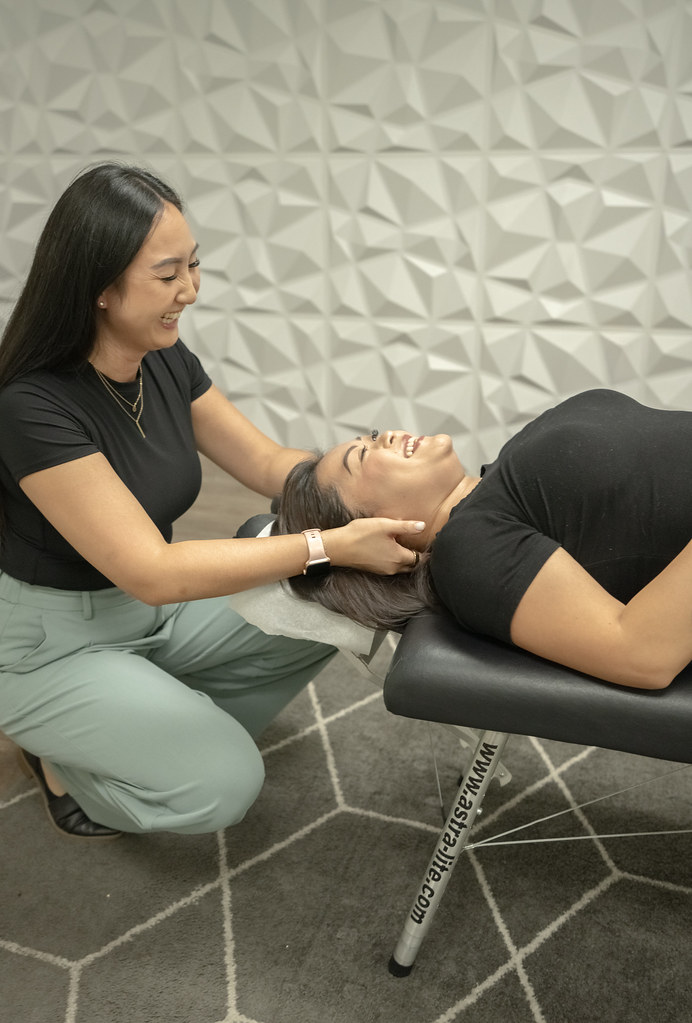
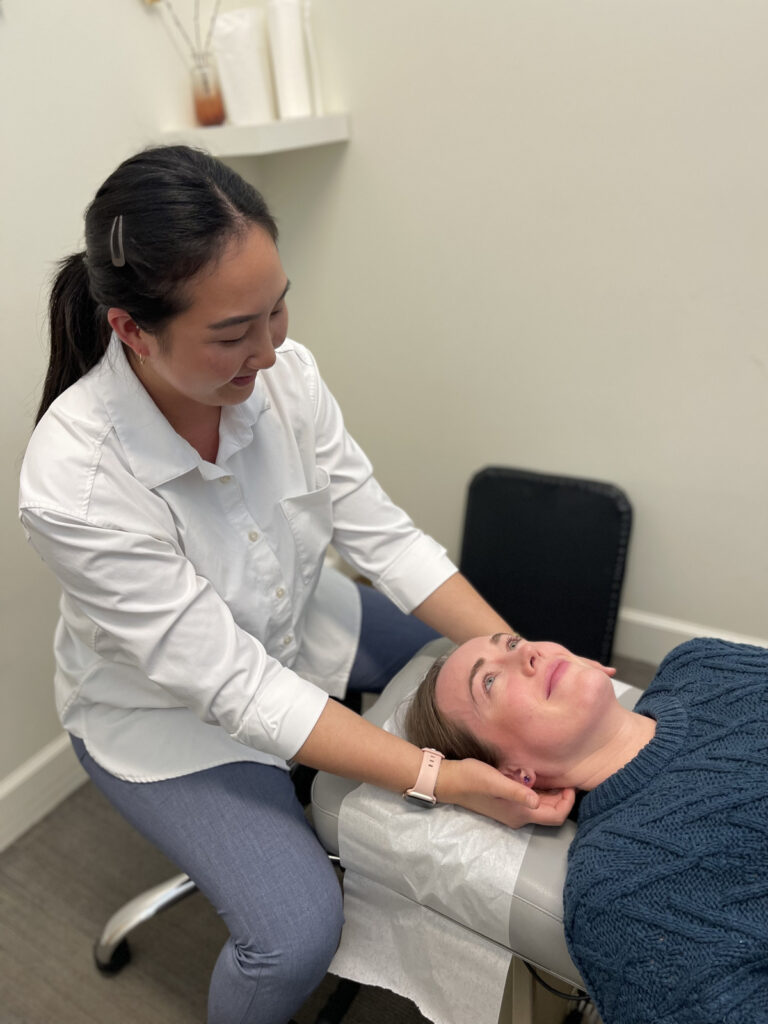
Dr. Lisa Ly at Reform Spine & Wellness uses a whole-body, root-cause framework to evaluate patients presenting with vertigo. This means a thorough history review, postural analysis, and assessment of the cervical spine’s mobility and alignment. If upper cervical dysfunction is identified as a contributing factor, gentle and precise chiropractic adjustments may be used to restore proper joint motion and reduce nerve irritation. For patients presenting with classic BPPV, canalith repositioning procedures can be an effective and relatively quick intervention.
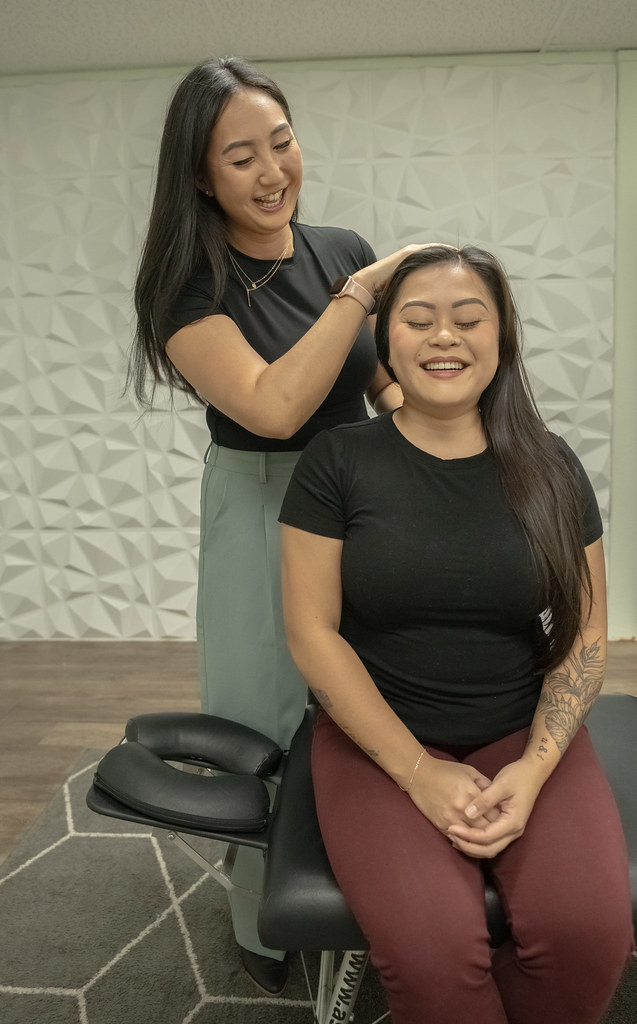
Beyond the adjustment itself, the chiropractic encounter can have a calming effect on the nervous system. Evidence suggests that spinal manipulation influences the autonomic nervous system — the branch responsible for the body’s stress and relaxation responses. For patients caught in the vertigo-anxiety loop, this kind of nervous system support can be genuinely meaningful. Patients often report feeling a greater sense of calm, improved sleep, and reduced muscle tension following care, which collectively support the body’s ability to heal and regulate.
Reform Spine & Wellness also embraces collaborative care. If vertigo has a vestibular, neurological, or psychological component that falls outside of chiropractic scope, Dr. Lisa Ly is committed to connecting patients with the right professionals. Root-cause healing sometimes requires a team, and there is no hesitation in making referrals when appropriate. This kind of integrated, patient-first thinking is what sets Reform apart as San Diego’s holistic chiropractic home.
Practical Tips to Help Manage Vertigo and Reduce Anxiety at Home
While professional care is important for persistent vertigo, there are sensible, safe practices you can incorporate into your daily life that may help reduce the frequency and intensity of episodes. These suggestions are not a substitute for evaluation, but they are a meaningful complement to care.
One of the most impactful things you can do is become aware of your posture throughout the day. Forward head posture — where the head drifts forward of the shoulders — is a common contributor to cervical tension. Gently repositioning your head so that your ears align over your shoulders reduces the mechanical strain on your upper cervical spine. If you spend significant time at a desk or on screens, setting a timer to check in with your posture every 30-45 minutes can make a real difference over time.
Sleep position matters more than many people realize. Sleeping with too many pillows or on your stomach can create prolonged rotational stress in the cervical spine. Dr. Lisa Ly often recommends sleeping on your back or side with a supportive pillow that keeps the neck in a neutral position. Small changes like this, maintained consistently, can reduce the mechanical load on the structures most involved in cervicogenic vertigo.
For the anxiety component, diaphragmatic breathing — slow, belly-focused breathing — is one of the simplest and most effective tools to activate the parasympathetic nervous system, which is the body’s “rest and digest” mode. Practicing this during calm moments makes it easier to use during a vertigo episode, reducing the intensity of the anxiety spiral that can accompany dizziness. Even just five minutes of intentional breathing before bed or upon waking can shift your nervous system’s baseline over time.
Hydration also plays a role. The inner ear is sensitive to fluid regulation, and mild dehydration can exacerbate dizziness. Aim to drink sufficient water throughout the day, particularly in San Diego’s warmer climate where fluid loss through activity and heat is common.
When to See a Chiropractor for Vertigo
Many people delay seeking care for vertigo because they hope it will resolve on its own — or because they are unsure who to see. Chiropractic can be an excellent first stop, particularly when vertigo is associated with neck stiffness, recent trauma, prolonged desk posture, or has been linked to head position changes. If your dizziness worsens when you roll over in bed, look up, or tilt your head to one side, BPPV is a strong possibility and chiropractic evaluation is highly appropriate.
It is also reasonable to seek chiropractic care if you have already been evaluated medically and cleared of serious pathology, but are still experiencing recurring vertigo with no clear management plan. At Reform Spine & Wellness, Dr. Lisa Ly regularly works with patients who feel as though they have fallen through the cracks of the conventional medical system — and finds that a structural and neurological assessment often reveals contributors that were never fully addressed.
There are, however, red flags that should prompt immediate medical evaluation rather than chiropractic care. If vertigo is accompanied by sudden severe headache, vision changes, slurred speech, facial drooping, weakness on one side of the body, or difficulty swallowing, these are potential signs of a neurological emergency and require emergency medical assessment right away. Vertigo following a head injury should also be evaluated medically before pursuing chiropractic care. Safety always comes first, and a good chiropractor will never hesitate to refer out when the situation calls for it.
Vertigo Triggers vs. Anxiety Triggers: What’s the Overlap?
|
Trigger |
Linked to Vertigo? |
Linked to Anxiety? |
Shared Mechanism |
|---|---|---|---|
|
Neck tension and poor posture |
Yes — cervicogenic disruption |
Yes — physical manifestation of stress |
Upper cervical and nervous system involvement |
|
Hyperventilation |
Yes — alters blood CO2, causes lightheadedness |
Yes — common in panic response |
Autonomic nervous system dysregulation |
|
Sleep disruption |
Yes — increases sensitivity to vestibular changes |
Yes — worsens emotional regulation |
Systemic stress response |
|
Dehydration |
Yes — inner ear fluid sensitivity |
Yes — physical stressor that heightens anxiety |
Physiological stress on body systems |
|
Anticipatory fear of episodes |
Yes — vigilance increases symptom awareness |
Yes — core anxiety behavior |
Central nervous system sensitization |
|
Caffeine overuse |
Yes — can aggravate inner ear sensitivity |
Yes — known anxiety amplifier |
Stimulant effect on nervous system |
Myths vs. Facts About Vertigo and Anxiety
Myth: Vertigo is just dizziness and will go away on its own.
Fact: While some episodes of vertigo do resolve spontaneously, many cases — particularly those involving cervicogenic dysfunction or BPPV — benefit significantly from targeted intervention. Ignoring persistent vertigo can allow structural contributors to worsen over time and allow the anxiety-vertigo cycle to become more entrenched. Getting evaluated early is nearly always the better choice.
Myth: Anxiety is a mental health issue and has nothing to do with physical symptoms like vertigo.
Fact: Anxiety is a whole-body experience. It affects muscle tension, breathing patterns, heart rate, posture, and the nervous system’s ability to process sensory signals — all of which directly influence vestibular function. Treating the mind and the body as separate systems is an outdated framework that often leads to incomplete care.
Myth: Chiropractic care is only for back pain.
Fact: Chiropractic care addresses the function of the entire spine and nervous system. The upper cervical spine in particular has a profound relationship with balance, coordination, and vestibular processing. Conditions like BPPV and cervicogenic vertigo are well within the clinical scope of a trained chiropractor, and evidence supports the use of repositioning maneuvers and cervical adjustments for these conditions.
Myth: If medical tests come back normal, the vertigo must be psychosomatic.
Fact: Normal imaging and standard blood work do not rule out structural contributors to vertigo. Cervicogenic dysfunction, subtle joint restrictions, and mechanoreceptor disruption are not always visible on an MRI or X-ray. A thorough chiropractic and functional assessment can identify contributors that standard medical testing is not designed to detect.
Myth: You have to live with vertigo if it keeps coming back.
Fact: Recurring vertigo often has identifiable, addressable causes. Root-cause chiropractic care — the kind practiced at Reform Spine & Wellness — is designed to find and address those causes rather than simply managing symptoms. Many patients experience meaningful, lasting improvement when the underlying structural and neurological drivers are properly identified and cared for.
Final Thoughts from Reform Spine & Wellness
Vertigo and anxiety are two conditions that deserve to be understood together, not treated in isolation. Here in San Diego, our team at Reform Spine & Wellness sees firsthand how much relief is possible when patients receive care that takes the whole person into account — not just their most prominent symptom. Dr. Lisa Ly built this practice on the belief that people deserve real answers and lasting change, not just a label and a prescription to manage discomfort indefinitely.
If you have been struggling with recurring dizziness, unexplained balance issues, or the exhausting interplay of vertigo and anxiety, know that you are not alone — and that there is a thoughtful, non-invasive path forward worth exploring. Reform Spine & Wellness is San Diego’s holistic chiropractic home for individuals and families who are ready to move beyond symptom management and into genuine, root-cause healing. We would be honored to be part of your journey.
Frequently Asked Questions
Can a chiropractor help with vertigo caused by BPPV?
Yes. Chiropractors trained in vestibular techniques can perform canalith repositioning procedures, such as the Epley maneuver, which are considered a first-line conservative treatment for BPPV. These maneuvers help guide displaced inner ear crystals back into their correct position, which can significantly reduce or resolve spinning sensations.
How does the upper neck relate to vertigo?
The upper cervical spine houses a dense concentration of mechanoreceptors that send positional and movement signals to the brain. When joints in this region are restricted or misaligned, those signals can become inaccurate, contributing to a type of dizziness known as cervicogenic vertigo. Chiropractic assessment and care for the upper cervical spine can help restore accurate sensory signaling.
Is it normal to feel anxious about vertigo episodes?
Absolutely, and it is more common than most people realize. The unpredictability and physical intensity of vertigo episodes naturally activates the body’s stress response. When this response becomes chronic, it can form a self-reinforcing cycle with vestibular symptoms. Addressing both the physical and nervous system components of care tends to produce better outcomes than treating either condition in isolation.
How long does chiropractic care for vertigo typically take?
This varies depending on the underlying cause, duration of the condition, and individual health factors. Some patients with BPPV respond quickly to repositioning maneuvers in just a few sessions. Cervicogenic vertigo with longer-standing structural contributors may require a more extended course of care. Dr. Lisa Ly develops individualized care plans based on each patient’s unique presentation and goals.
Are there any lifestyle changes that can help reduce vertigo frequency?
Yes. Improving posture, staying well-hydrated, getting consistent sleep, reducing caffeine intake, and practicing diaphragmatic breathing can all support vestibular stability and reduce nervous system reactivity. These lifestyle adjustments work best as a complement to professional chiropractic evaluation and care, not as a replacement for it.
What should I do if my vertigo is accompanied by severe headache or neurological symptoms?
Seek emergency medical care immediately. Vertigo combined with sudden severe headache, vision changes, facial drooping, slurred speech, or weakness on one side of the body may indicate a neurological emergency such as a stroke or hemorrhage. These red flag symptoms require urgent evaluation that falls outside of chiropractic scope.
TL;DR Summary
-
Vertigo and anxiety share overlapping neurological pathways, and each condition can trigger and worsen the other — making it essential to address both together.
-
Common chiropractic-relevant causes of vertigo include BPPV and cervicogenic dysfunction, both of which have conservative, non-invasive treatment options.
-
Chiropractic care — including upper cervical adjustments and canalith repositioning maneuvers — can be an effective, drug-free approach to addressing vertigo at its source.
-
Simple daily habits such as improving posture, staying hydrated, and practicing diaphragmatic breathing can reduce both vertigo frequency and anxiety levels.
-
At Reform Spine & Wellness in San Diego, Dr. Lisa Ly takes a whole-body, root-cause approach to help patients move beyond symptom management and toward lasting relief.