
Back pain is one of the most common reasons people seek medical care, and if you’re reading this, chances are you or someone you know is dealing with it right now. Whether it’s a dull ache that won’t go away, a sharp pain when you bend over, or stiffness that makes getting out of bed a challenge, back pain can significantly impact your quality of life. The good news is that understanding what’s causing your discomfort is the first step toward finding relief. Here in San Diego, many patients come to Reform Spine & Wellness looking for answers about their back pain, and we’re here to help you understand the common culprits and how conservative, drug-free care can make a real difference.
What Is Back Pain?
Back pain refers to discomfort, tension, or pain anywhere along the spine, from the neck down to the tailbone. It can range from mild and occasional to severe and constant, affecting muscles, ligaments, nerves, or the vertebrae themselves. Most back pain is mechanical in nature, meaning it relates to how the spine and its supporting structures move and function rather than disease or infection.
Table of Contents
- Understanding Back Pain: More Than Just a Symptom
- Common Causes of Back Pain
- How Lifestyle and Daily Habits Affect Your Back
- How Chiropractic Care Fits In
- Practical Tips for Managing and Preventing Back Pain
- When to See a Chiropractor
- Back Pain Triggers vs. Prevention Strategies
- Myths vs. Facts About Back Pain
- Final Thoughts
Understanding Back Pain: More Than Just a Symptom
Back pain isn’t just one condition—it’s a symptom that can stem from dozens of different causes. Your spine is an incredibly complex structure made up of 33 vertebrae, cushioning discs between each bone, intricate networks of nerves, supportive muscles, and strong ligaments. When any part of this system becomes irritated, strained, or misaligned, you can experience pain.
The intensity and location of your back pain often provide clues about what’s going on. Lower back pain is the most common type, affecting about 80% of adults at some point in their lives. Research indicates that low back pain is one of the leading causes of disability worldwide, according to data from the World Health Organization. Mid-back and upper back pain are less common but can be equally uncomfortable and limiting.
What makes back pain particularly frustrating is that it often develops gradually. You might not remember a specific injury or incident. Instead, years of poor posture, repetitive movements, or everyday wear and tear slowly create problems that eventually surface as pain. Understanding the underlying causes helps you address the root of the problem rather than just masking symptoms temporarily.
Common Causes of Back Pain
Let’s explore the most frequent reasons people in San Diego and beyond experience back pain. Recognizing these causes can help you identify what might be affecting your own spine.
Muscle Strain and Ligament Sprains
This is perhaps the most common cause of acute back pain. Lifting something heavy incorrectly, making a sudden awkward movement, or even sleeping in an unusual position can strain the muscles or sprain the ligaments supporting your spine. These soft tissue injuries cause inflammation and muscle spasms, leading to pain and stiffness. Most people have experienced this type of back pain after helping a friend move furniture or doing yard work they’re not accustomed to.
Poor Posture
In our modern world, poor posture has become an epidemic. Hours spent hunched over computers, looking down at phones, or slouching on the couch put tremendous strain on the spine. When your head juts forward or your shoulders round, the natural curves of your spine become distorted. Over time, this postural stress leads to muscle imbalances, joint dysfunction, and chronic pain. Here at Reform Spine & Wellness, Dr. Lisa Ly frequently sees patients whose back pain is directly related to postural habits developed over years.
Disc Problems
The discs between your vertebrae act as shock absorbers. With age, repetitive stress, or injury, these discs can bulge, herniate, or degenerate. When a disc herniates, the inner gel-like material pushes out and can press on nearby nerves, causing not just back pain but also radiating pain, numbness, or tingling into the legs or arms. Degenerative disc disease occurs when discs lose their water content and cushioning ability over time, which is a normal part of aging but can accelerate with poor spinal mechanics.
Spinal Misalignments (Subluxations)
From a chiropractic perspective, subluxations—or misalignments of the vertebrae—can interfere with proper joint function and nerve communication. When vertebrae aren’t moving correctly or are positioned improperly, they create abnormal stress on surrounding tissues. This can lead to pain, restricted movement, and interference with the nervous system’s ability to function optimally. Subluxations can develop from injuries, poor posture, repetitive stress, or even emotional tension.
Osteoarthritis
Arthritis of the spine, also called spondylosis, is a degenerative condition where the cartilage between joints wears down over time. This can lead to bone spurs, narrowing of the spinal canal (stenosis), and chronic stiffness and pain. While arthritis is often associated with aging, poor spinal mechanics and previous injuries can accelerate its development.
Sedentary Lifestyle
Sitting for prolonged periods weakens the muscles that support your spine, particularly the core muscles. When these stabilizing muscles become weak, your spine loses proper support, and other structures must compensate. This imbalance creates excessive stress on joints and soft tissues, leading to pain. Modern office work and screen time have made sedentary behavior a significant contributor to back pain across all age groups.
Injuries and Trauma
Car accidents, sports injuries, falls, and other traumatic events can cause immediate or delayed back pain. Whiplash from a rear-end collision, for example, doesn’t just affect the neck—it can create problems throughout the entire spine. Even minor accidents can cause soft tissue damage or joint dysfunction that manifests as pain weeks or months later.
Stress and Tension
The mind-body connection is real, and emotional stress often manifests as physical tension. When you’re stressed, anxious, or overwhelmed, your muscles tend to tighten, especially in the neck, shoulders, and back. Chronic muscle tension from prolonged stress can lead to persistent back pain and spinal dysfunction. Many patients are surprised to learn how much their stress levels contribute to their physical discomfort.
How Lifestyle and Daily Habits Affect Your Back
Beyond specific causes, your daily habits play a massive role in back health. The human body is designed for movement, not prolonged sitting or repetitive unnatural positions. When we ignore the spine’s need for proper alignment and movement, problems develop.
Consider how many hours the average person spends sitting each day. Between commuting, working at a desk, eating meals, and relaxing in the evening, it’s not uncommon for people to sit 10 to 12 hours daily. This prolonged sitting causes the hip flexors to tighten, the glutes to weaken, and the lumbar spine to lose its natural curve. Over months and years, these changes create the perfect environment for back pain.
Your sleeping position and mattress quality also matter significantly. Sleeping on your stomach, for instance, forces your neck into prolonged rotation and can flatten your lumbar curve. An old, sagging mattress fails to provide adequate support. These nighttime factors affect your spine for 7 to 9 hours straight, potentially undoing any progress you make during the day.
Carrying heavy bags on one shoulder, wearing unsupportive shoes, or regularly doing physically demanding work without proper body mechanics all contribute to spinal stress. Even seemingly small habits compound over time. The encouraging news is that once you identify these patterns, you can make meaningful changes that support your spine’s health.
How Chiropractic Care Fits In
Chiropractic care offers a conservative, non-surgical, drug-free approach to addressing many types of back pain. Rather than simply masking symptoms, chiropractic focuses on identifying and correcting underlying mechanical problems in the spine and musculoskeletal system.
At Reform Spine & Wellness in San Diego, Dr. Lisa Ly takes a thorough, patient-centered approach to back pain. The process typically begins with a comprehensive evaluation that includes your health history, a physical examination, and potentially diagnostic imaging if needed. This assessment helps identify the specific source of your pain and any contributing factors.
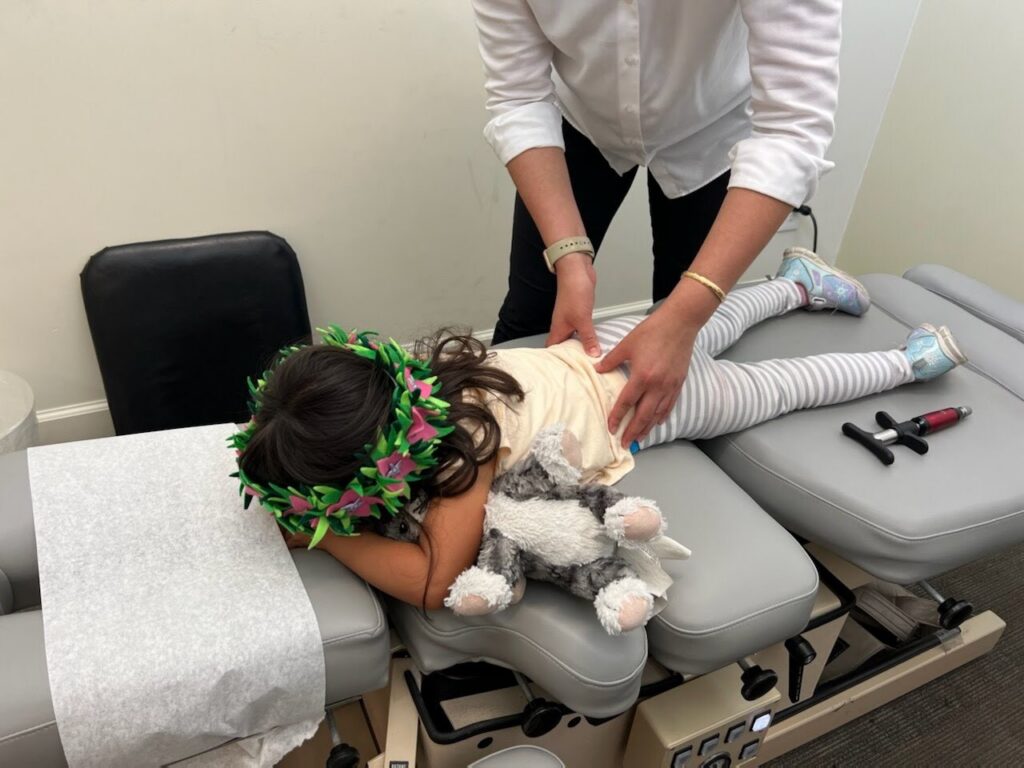
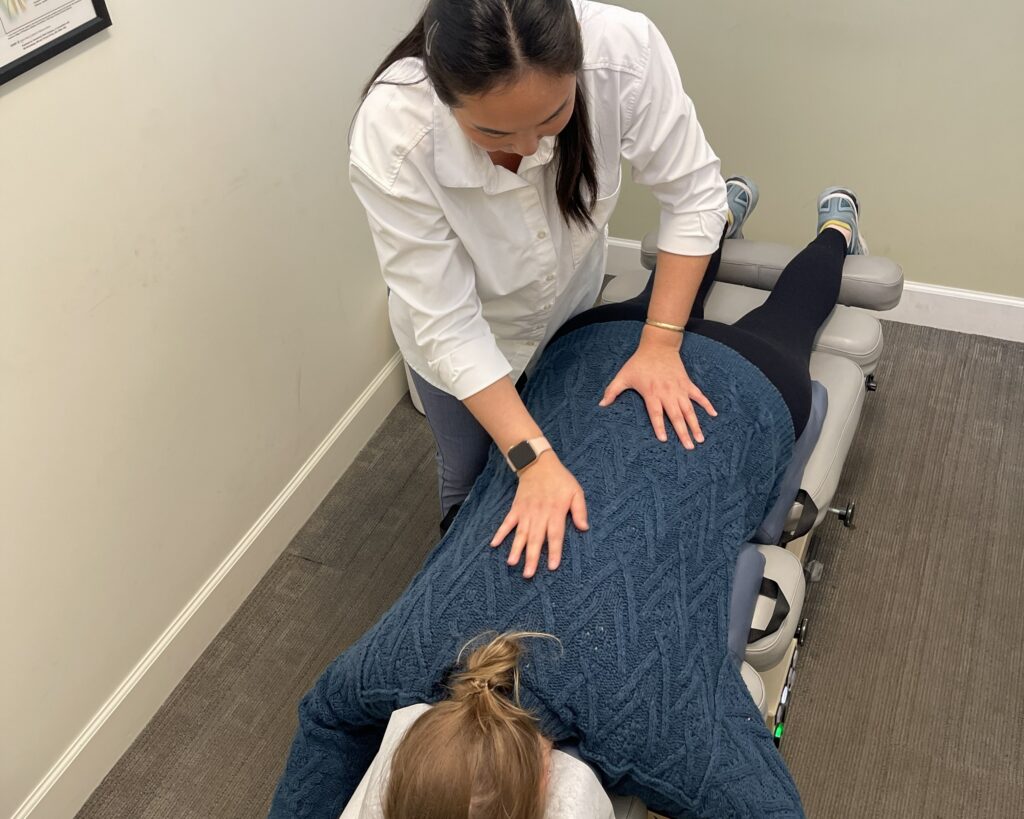
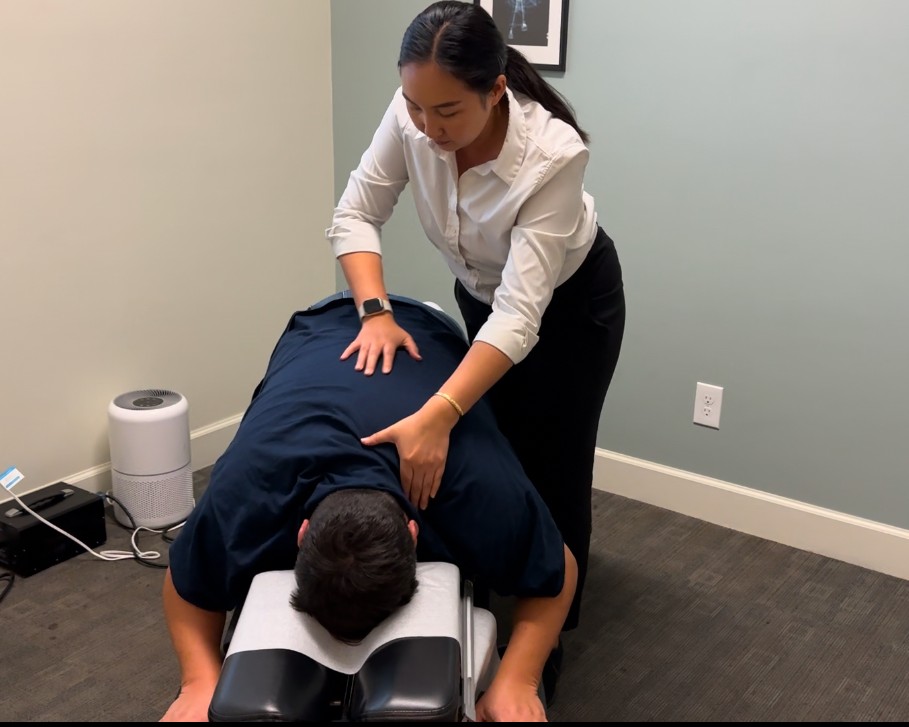
Chiropractic adjustments, also called spinal manipulations, are the cornerstone of care. These precise, controlled movements help restore proper alignment and mobility to spinal joints that aren’t moving correctly. Research suggests that spinal manipulation can be effective for certain types of acute and chronic low back pain, with guidelines from organizations like the American College of Physicians recommending it as a first-line treatment option before medication.
But chiropractic care extends beyond adjustments. A comprehensive treatment plan at Reform Spine & Wellness might include non-surgical spinal decompression, therapeutic exercises to strengthen supporting muscles, and postural corrections to address the root causes of your pain. Dr. Lisa Ly understands that lasting relief comes from addressing all the factors contributing to your discomfort, not just temporarily relieving symptoms.
The goal is to help your body heal naturally, improve function, and reduce your risk of future episodes. Many patients find that regular chiropractic care not only helps resolve their current back pain but also improves their overall quality of life, allowing them to stay active and do the things they love without constant discomfort.
Practical Tips for Managing and Preventing Back Pain
While professional care is important, there’s much you can do on your own to support your spine’s health. These practical strategies can help you manage existing back pain and prevent future problems.
Improve Your Workspace Ergonomics: If you work at a desk, ensure your computer monitor is at eye level so you’re not constantly looking down. Your feet should rest flat on the floor with your knees at about a 90-degree angle. Your chair should support your lower back’s natural curve. Consider using a standing desk for part of your day, or at minimum, stand and move for 5 minutes every hour.
Mind Your Posture Throughout the Day: Whether sitting, standing, or walking, maintain awareness of your spinal alignment. Keep your shoulders back and down, your chest open, and your head balanced directly over your shoulders rather than jutting forward. When using your phone, bring it up to eye level instead of craning your neck down. These small adjustments reduce cumulative stress on your spine.
Strengthen Your Core: Your core muscles—including your abdominals, back muscles, and pelvic floor—provide essential support for your spine. Incorporate exercises that strengthen these muscles without excessive strain. Planks, bridges, and bird dogs are excellent options that don’t require gym equipment. Even 10 minutes of core work several times per week can make a significant difference.
Stay Active with Low-Impact Movement: Regular physical activity keeps your spinal joints mobile and your supporting muscles strong. Walking, swimming, yoga, pilates, and cycling are excellent low-impact options. San Diego’s beautiful weather makes it easy to stay active year-round. Aim for at least 30 minutes of movement most days of the week. The key is consistency rather than intensity.
Lift Properly: When lifting anything heavy, bend at your knees and hips, not your waist. Keep the object close to your body. Engage your core muscles and lift with your legs, not your back. Never twist while lifting. If something is too heavy or awkward, ask for help. Most lifting-related injuries are preventable with proper technique.
Optimize Your Sleep Setup: Invest in a supportive mattress that maintains your spine’s natural curves. Generally, a medium-firm mattress works best for most people, though individual preferences vary. Sleep on your back with a pillow under your knees, or on your side with a pillow between your knees to maintain proper spinal alignment. Invest in a supportive pillow that keeps your neck and head in a neutral position if you’re a back or di
Manage Stress: Since stress contributes to muscle tension and pain, developing healthy stress management techniques is crucial. Deep breathing exercises, meditation, regular physical activity, adequate sleep, and connecting with others all help reduce stress’s physical impact on your body. Even five minutes of deep breathing can help release tension in your back muscles.
Stay Hydrated: Your spinal discs need proper hydration to maintain their cushioning function. Drinking adequate water throughout the day supports disc health and overall musculoskeletal function. As a general guideline, aim for half your body weight in ounces of water daily.
When to See a Chiropractor
How do you know when it’s time to seek professional care for your back pain? Here are some indicators that chiropractic evaluation would be appropriate.
If your back pain lasts more than a few days despite rest and home care, it’s worth getting evaluated. While some minor strains resolve on their own, persistent pain often indicates an underlying mechanical problem that needs attention. Don’t wait until your pain becomes severe or chronic—early intervention leads to faster, more complete recovery.
Pain that radiates down your leg or arm, especially if accompanied by numbness, tingling, or weakness, suggests possible nerve involvement. These symptoms warrant prompt evaluation to determine the cause and appropriate treatment approach.
If your back pain interferes with daily activities—making it difficult to work, exercise, play with your kids, or sleep comfortably—you shouldn’t have to just “live with it.” Chiropractic care at Reform Spine & Wellness can help you regain function and return to the activities you enjoy.
Recurring back pain episodes, even if each one resolves fairly quickly, indicate an underlying issue that hasn’t been properly addressed. Dr. Lisa Ly can help identify and correct the root cause to prevent ongoing problems.
However, certain symptoms require immediate medical attention. Seek emergency care if you experience back pain along with loss of bowel or bladder control, progressive leg weakness, fever, or pain following significant trauma. Back pain accompanied by unexplained weight loss or a history of cancer also warrants medical evaluation. While these serious conditions are rare, it’s important to rule them out.
Back Pain Triggers vs. Prevention Strategies
| Common Back Pain Trigger | Prevention Strategy |
|---|---|
| Prolonged sitting at a desk | Stand and move for 5 minutes every hour; use proper ergonomic setup |
| Poor lifting technique | Bend at knees, keep load close, engage core, never twist while lifting |
| Forward head posture from phone use | Bring phone to eye level; perform neck stretches and postural exercises |
| Weak core muscles | Regular core strengthening exercises (planks, bridges, bird dogs, deadbugs) |
| Improper sleep position or old mattress | Sleep on back or side with pillow support; replace mattress every 7-10 years |
| Chronic stress and muscle tension | Practice stress management techniques; deep breathing; regular movement |
| Sedentary lifestyle | Incorporate 30 minutes of low-impact activity most days of the week |
Myths vs. Facts About Back Pain
Myth: Bed Rest Is the Best Treatment for Back Pain
Fact: While severe pain may require a day or two of modified activity, prolonged bed rest actually delays recovery. Evidence indicates that staying as active as possible within your comfort level promotes faster healing. Gentle movement maintains joint mobility, prevents muscle weakness, and reduces stiffness. The key is finding the right balance between rest and activity.
Myth: Back Pain Always Means Something Serious Is Wrong
Fact: Most back pain is mechanical and not caused by serious disease or structural damage. While pain can be intense and limiting, the majority of cases involve muscle strains, joint dysfunction, or postural stress that respond well to conservative care. Catastrophizing about back pain often makes it worse by increasing stress and muscle tension.
Myth: You Should Only See a Chiropractor When You’re in Pain
Fact: Chiropractic care isn’t just for treating pain—it’s also valuable for maintaining spinal health and preventing problems. Regular chiropractic visits can help keep your spine functioning optimally, address minor issues before they become major problems, and support your overall wellness. Many patients at Reform Spine & Wellness find that maintenance care helps them stay active and pain-free.
Myth: If You Have Arthritis, Nothing Can Help Your Back Pain
Fact: While arthritis isn’t reversible, chiropractic care can still provide significant relief. Improving joint mobility, strengthening supporting muscles, and optimizing spinal mechanics can reduce pain and improve function even when arthritis is present. Many patients with arthritic changes experience substantial improvements in their quality of life through conservative chiropractic care.
Myth: Chiropractic Adjustments Are Dangerous
Fact: When performed by a licensed, trained chiropractor like Dr. Lisa Ly, spinal adjustments are extremely safe. Chiropractors receive extensive training in spinal anatomy, biomechanics, and adjustment techniques. Your chiropractor will perform a thorough evaluation to ensure that adjustments are appropriate for your specific condition.
Final Thoughts
Back pain is incredibly common, but that doesn’t mean you have to accept it as an inevitable part of life. Understanding the various causes of back pain—from poor posture and muscle strain to disc problems and spinal misalignments—empowers you to take meaningful steps toward relief and prevention. Small changes in your daily habits, combined with professional care when needed, can make a remarkable difference in how your back feels and functions.
Here in San Diego, Reform Spine & Wellness is committed to helping patients understand their back pain and find effective, natural solutions. Dr. Lisa Ly and the team take time to listen to your concerns, thoroughly evaluate your condition, and create individualized care plans that address your specific needs. Whether you’re dealing with acute pain from a recent injury or chronic discomfort that’s been affecting your life for years, chiropractic care offers a safe, conservative approach focused on helping your body heal and function at its best.
Your spine supports everything you do, from the simplest daily activities to your most ambitious goals. It deserves attention and care. If back pain is holding you back, know that help is available right here in your community.
Frequently Asked Questions
How long does it typically take for chiropractic care to relieve back pain?
The timeline varies depending on the cause and severity of your pain, how long you’ve had it, and your overall health. Some patients experience significant relief after just a few visits, while chronic conditions may require several weeks of care. Dr. Lisa Ly will provide a realistic timeline based on your specific situation during your initial evaluation.
Can chiropractic care help with sciatica?
Yes, chiropractic care has been shown to help many people with sciatica, which is pain that radiates down the leg due to nerve irritation. By addressing spinal misalignments, reducing pressure on nerves, and improving overall spinal function, chiropractic adjustments can often provide significant relief from sciatic symptoms.
Is it normal to feel sore after a chiropractic adjustment?
Mild soreness similar to what you might feel after starting a new exercise routine is not uncommon, especially after your first few adjustments. This typically resolves within 24 to 48 hours. Your body is adjusting to improved alignment and movement patterns, and this temporary discomfort usually indicates that positive changes are occurring.
Do I need a referral to see a chiropractor in California?
No, chiropractors in California are portal-of-entry providers, meaning you can schedule an appointment directly without a referral from another healthcare provider. You can contact Reform Spine & Wellness directly to schedule your initial evaluation.
Will my back pain come back after chiropractic treatment ends?
This depends largely on the underlying cause and your lifestyle habits. If you address contributing factors like poor posture, weak core muscles, and improper body mechanics, you’re less likely to experience recurrence. Many patients find that maintenance care helps prevent problems from returning.
Can chiropractic care help prevent back pain, or is it only for treating existing problems?
Chiropractic care is valuable for both treating current pain and preventing future problems. Regular adjustments help maintain proper spinal alignment and joint mobility, which can reduce your risk of developing pain. Combined with good posture, regular exercise, and healthy lifestyle habits, chiropractic care supports long-term spinal health.
TL;DR – Key Takeaways
- Back pain is extremely common and can stem from multiple causes including muscle strain, poor posture, disc problems, spinal misalignments, arthritis, sedentary lifestyle, injuries, and stress.
- Chiropractic care offers a safe, drug-free, non-surgical approach to addressing many types of back pain by correcting underlying mechanical problems in the spine and musculoskeletal system.
- Daily habits significantly impact back health—improving ergonomics, maintaining good posture, strengthening your core, staying active, and managing stress all support spinal wellness.
- Seek chiropractic evaluation if pain persists beyond a few days, interferes with daily activities, radiates into limbs, or keeps recurring, but seek immediate medical attention for red flag symptoms like loss of bowel/bladder control or progressive weakness.
- At Reform Spine & Wellness in San Diego, Dr. Lisa Ly provides individualized, comprehensive care that addresses not just symptoms but the root causes of your back pain to promote lasting relief and improved function.