

Shoulder pain has a way of creeping into every part of your day. Reaching for a glass, buckling your seatbelt, sleeping on your side, lifting a bag — suddenly all of these ordinary moments become a source of dread. If you’ve been dealing with persistent shoulder discomfort and wondering whether chiropractic care could actually help, you’re not alone. Here in San Diego, many patients come through the doors of Reform Spine & Wellness feeling frustrated after weeks or months of shoulder pain with no clear answers. The good news? Shoulder pain is one of the most common musculoskeletal complaints that responds well to a conservative, root-cause approach — and that’s exactly what Dr. Lisa Ly and the team at Reform are built to provide.
What does it mean to see a chiropractor for shoulder pain?
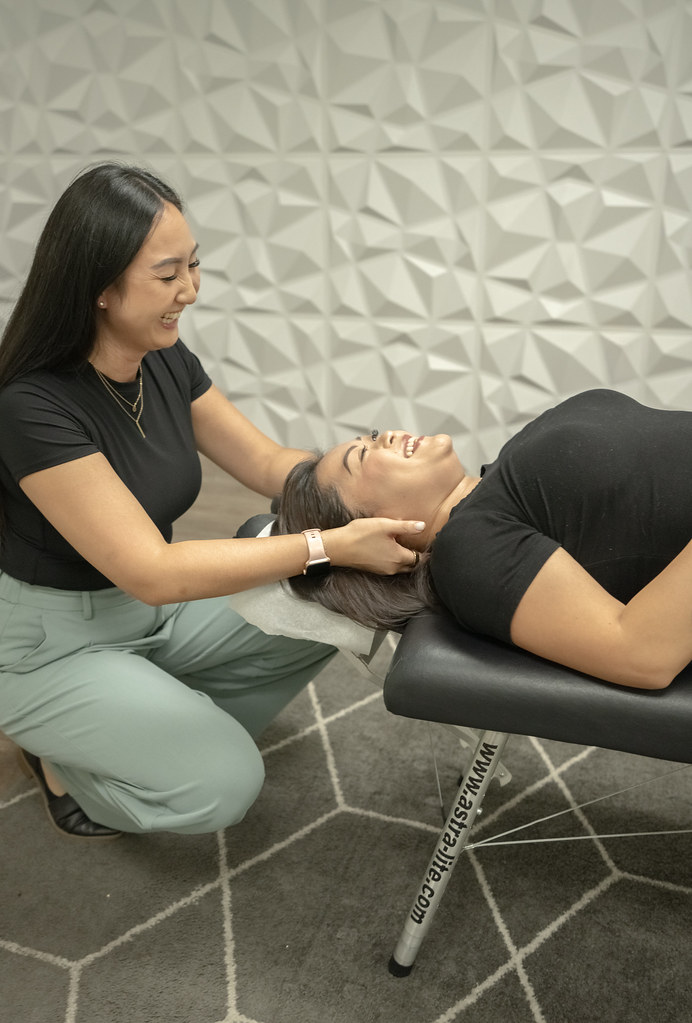
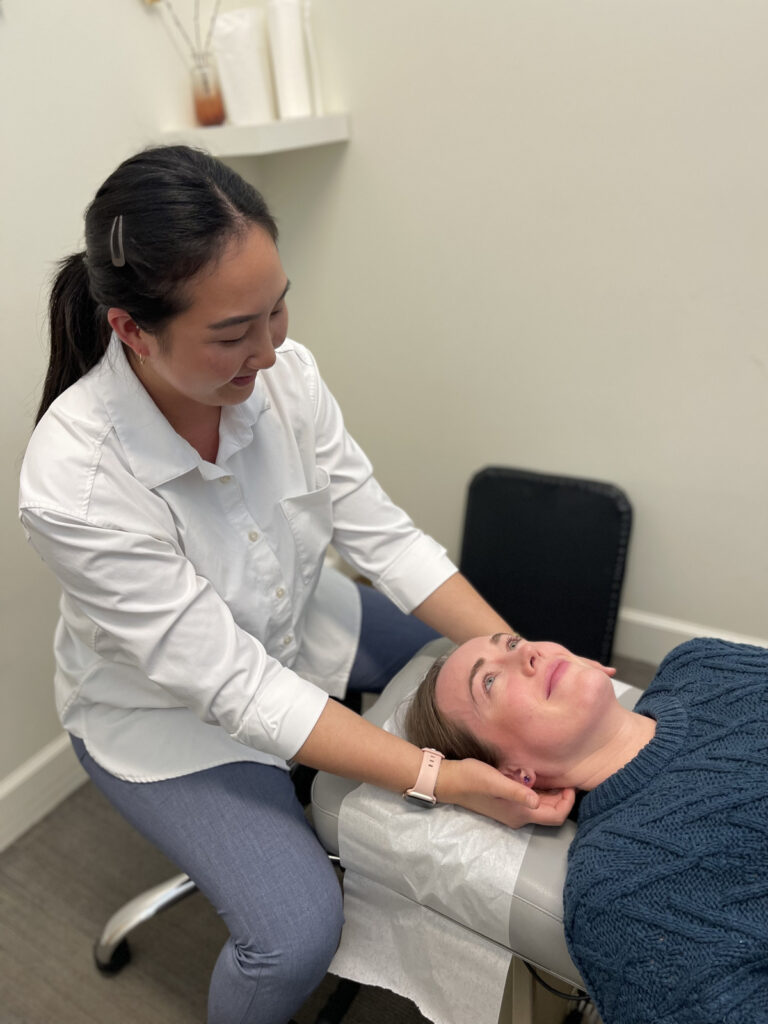
Chiropractic care for shoulder pain involves a thorough evaluation of the joints, muscles, nerves, and surrounding structures that contribute to shoulder function. Rather than masking the discomfort with medication, a chiropractor works to identify why the shoulder is struggling in the first place — and address that root cause directly through hands-on, non-invasive care.
Why Shoulder Pain Is More Complicated Than It Looks
The shoulder is the most mobile joint in the entire human body. That incredible range of motion — the ability to reach overhead, rotate, and swing your arm in nearly every direction — comes with a trade-off. Mobility means complexity, and complexity means more things that can go wrong.
Unlike a simpler joint like the knee, the shoulder is actually a system of joints working together. The glenohumeral joint (the ball-and-socket portion most people think of), the acromioclavicular joint, the sternoclavicular joint, and the scapulothoracic joint all need to coordinate seamlessly for normal, pain-free movement. Add to that the rotator cuff — four muscles and their tendons — along with bursae, ligaments, and nerves passing through the region, and you have a structure that requires careful, thorough evaluation before any meaningful care can begin.
This is exactly why shoulder pain so often gets mismanaged. People assume it’s just a “tight muscle” or a minor strain, push through it, and wind up with a more entrenched problem months later. Or they receive symptom-focused treatment that temporarily quiets the pain without ever correcting the underlying dysfunction. At Reform Spine & Wellness, Dr. Lisa Ly takes a whole-body, root-cause approach that looks beyond where the pain is presenting to understand why the shoulder is struggling in the first place.
Common Causes of Shoulder Pain Chiropractors Address
Shoulder pain rarely comes from just one thing. Most cases involve a combination of structural, postural, and movement-related factors that, over time, create enough stress on the joint to produce symptoms. Here are some of the most common underlying contributors that chiropractic care is well-suited to evaluate and address:
Rotator Cuff Irritation and Strain
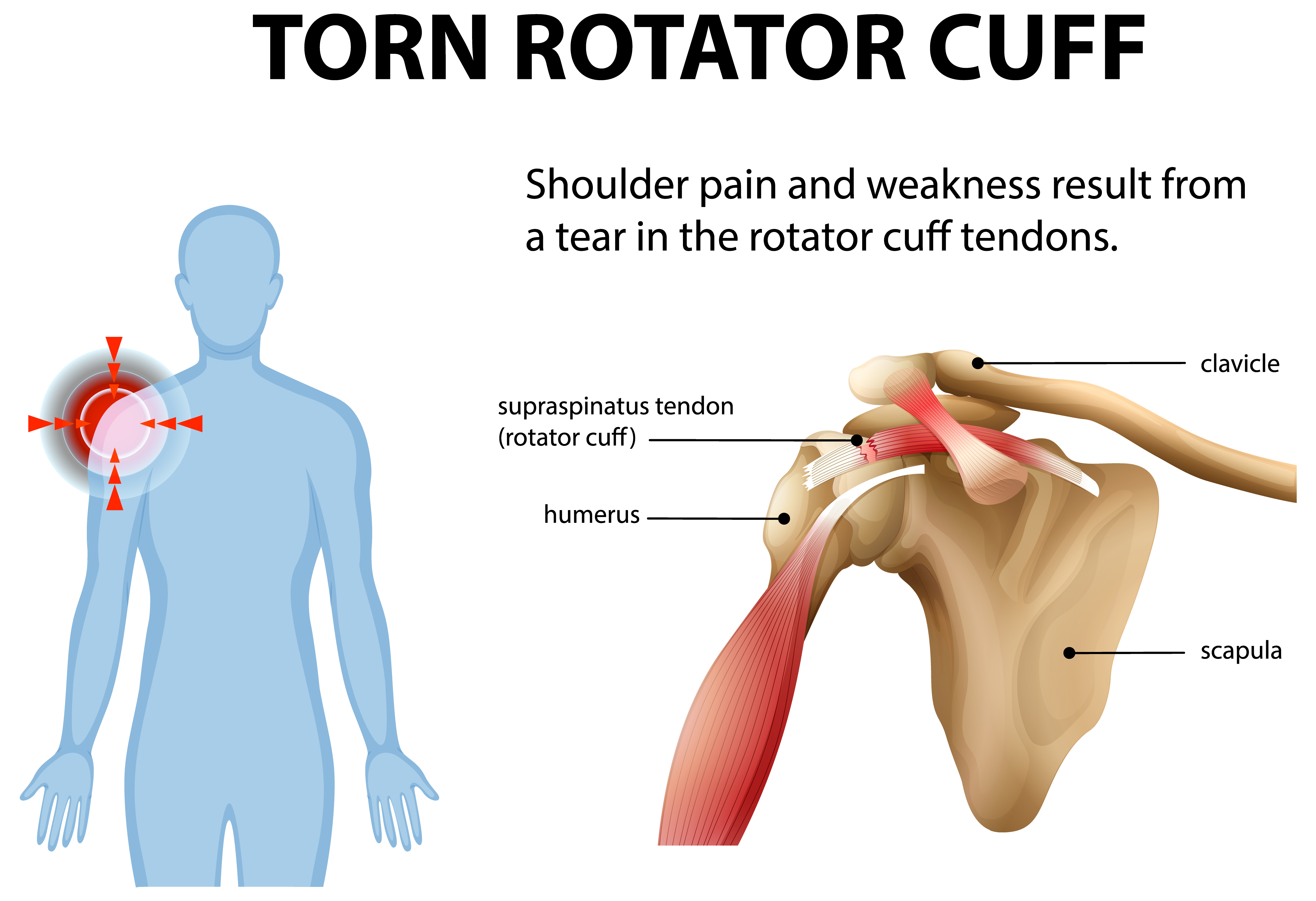
The rotator cuff is the group of muscles and tendons that stabilizes the ball-and-socket joint of the shoulder. When these muscles are overworked, poorly coordinated, or chronically tight due to postural dysfunction, they can become irritated or strained — leading to aching, weakness, and pain with reaching or lifting.
Shoulder Impingement Syndrome
This occurs when soft tissue structures in the shoulder — particularly the supraspinatus tendon or the bursa — get compressed during overhead arm movements. Poor posture, muscle imbalances, and abnormal movement mechanics are frequent contributors. Research suggests conservative care, including chiropractic treatment and rehabilitative exercise, can be effective in reducing impingement-related symptoms.
Frozen Shoulder (Adhesive Capsulitis)
Frozen shoulder is a painful condition involving progressive stiffening of the joint capsule. It often develops after a period of immobility or injury. While it typically runs a longer course, chiropractic care can help support mobility and reduce discomfort during the recovery process.
Postural Dysfunction
Forward head posture and rounded shoulders — both extremely common in San Diego’s increasingly desk-bound, screen-focused population — alter the biomechanics of the entire shoulder girdle. This places abnormal stress on the rotator cuff, narrows the subacromial space, and sets the stage for chronic irritation even without any specific injury.
Referred Pain from the Cervical Spine
Not all shoulder pain actually originates in the shoulder. Nerve irritation or joint dysfunction in the neck can refer pain, tingling, or weakness into the shoulder and arm. This is one of the most frequently missed causes of shoulder discomfort — and one that only a thorough evaluation can properly identify.
The Spine-Shoulder Connection You Might Not Know About
One of the most important — and most overlooked — aspects of shoulder pain is its relationship to the cervical and thoracic spine. This is where chiropractic care offers something genuinely unique.
The nerves that control and supply the shoulder, arm, and hand all originate from the cervical spine (the neck region). When there is dysfunction, restriction, or irritation at these spinal levels — particularly at C4 through C6 — it can produce symptoms that feel unmistakably like shoulder pain. Patients often describe a deep, vague ache at the top of the shoulder or into the upper arm, sometimes accompanied by numbness or tingling down the forearm. Without evaluating the cervical spine, that pain can be treated for months without resolution.
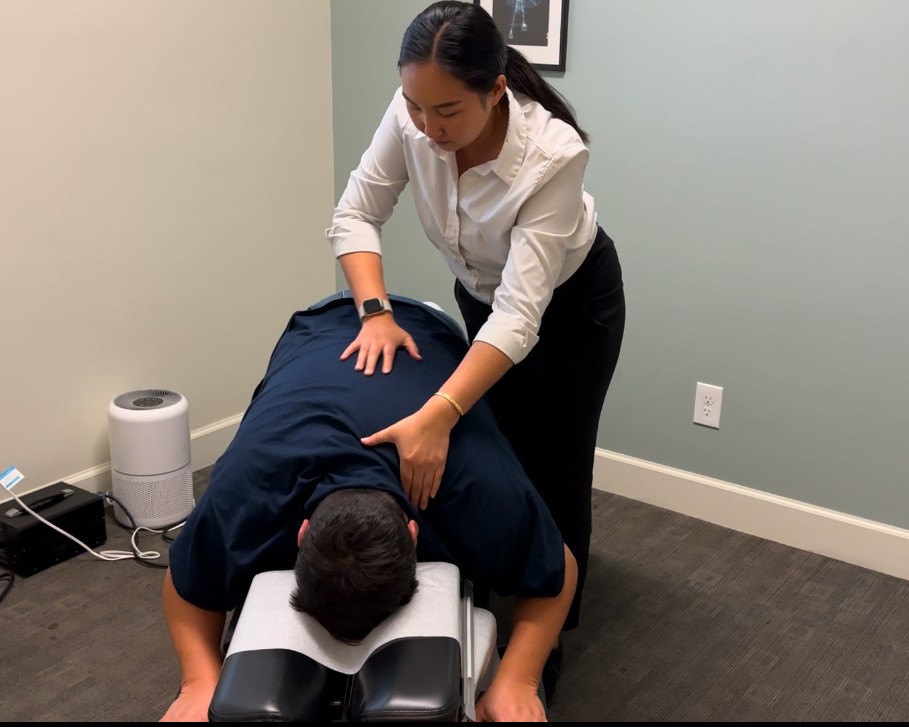
The thoracic spine (the mid-back) plays an equally important role. When thoracic mobility is restricted — which is extremely common due to prolonged sitting and poor posture — the shoulder is forced to compensate. The scapula can’t move properly along the ribcage, the rotator cuff has to work harder, and the entire shoulder mechanism becomes inefficient and vulnerable to strain.
Dr. Lisa Ly evaluates both the shoulder itself and the spinal regions that directly influence it. This is the whole-body, root-cause thinking that sets Reform Spine & Wellness apart from approaches that only look at the painful spot in isolation.
How Chiropractic Care Can Help With Shoulder Pain
So what does chiropractic care for shoulder pain actually look like in practice? Every patient is different, and a good care plan starts with listening — to your history, your symptoms, your daily habits, and your goals. That’s the standard Dr. Lisa Ly holds for every patient who walks through the doors of Reform Spine & Wellness in San Diego.
Following a thorough intake and physical evaluation, care may include chiropractic adjustments to the cervical and thoracic spine to restore proper joint mobility and reduce nerve irritation, as well as targeted soft tissue work to address muscle tension and movement restrictions around the shoulder girdle. Mobilization of the shoulder joint itself may be used to gently restore range of motion in cases of stiffness or restricted movement patterns.
Care at Reform is also never just about what happens in the office. Dr. Ly takes the time to explain what is driving your pain, what your care plan involves, and what you can do at home to support your recovery. This empowering, educational approach is part of what makes the experience feel different than a typical quick-fix clinic. The goal is lasting change — not just temporary relief.
Evidence from organizations like the American Chiropractic Association and broader conservative care research indicates that chiropractic treatment can be a valuable component of shoulder pain management, particularly when the underlying cause involves spinal dysfunction, postural imbalance, or musculoskeletal stress. It’s non-invasive, drug-free, and focused on restoring function — not just quieting symptoms.
Practical Tips to Support Your Shoulder Health
Whether you’re currently dealing with shoulder pain or want to prevent it from developing, there are practical steps you can take to support healthy shoulder function in your daily life.
Reassess your workstation setup. If you spend hours at a desk, your screen height, chair position, and keyboard placement all affect your shoulder posture. Your monitor should be at eye level, your elbows should rest comfortably at roughly 90 degrees, and your shoulders should not be hiking up toward your ears throughout the day. Chronic elevation of the shoulders is one of the most common tension patterns we see at Reform Spine & Wellness.
Be mindful of sleeping position. Sleeping on your side with your arm bent under your pillow for prolonged periods can compress the shoulder joint and contribute to irritation over time. A supportive pillow that keeps your neck in a neutral position reduces the strain on both your neck and shoulder during sleep.
Move your shoulders through full range regularly. The shoulder thrives on movement. If you sit for long periods, take brief breaks to gently move your arms through a comfortable range of motion. This helps maintain joint lubrication and prevents the stiffening that comes from sustained static positions.
Strengthen the supporting muscles. The rotator cuff and scapular stabilizers are small muscles that are often underdeveloped relative to the larger muscles around them. Gentle, consistent strengthening of these muscles — ideally guided by a knowledgeable provider — improves shoulder resilience significantly.
When to See a Chiropractor for Shoulder Pain
Shoulder pain that lasts more than a week or two without improvement is a reasonable indicator that something more than a simple muscle strain may be going on. If your pain is limiting your ability to reach overhead, sleep comfortably, or perform daily tasks, that’s your body telling you it’s time to get evaluated by a professional.
Chiropractic care is especially appropriate when pain seems to be related to posture, repetitive movement, prolonged desk work, or a prior injury that never fully resolved. It’s also worth exploring when you’ve been told your imaging looks “normal” but you’re still in pain — often, functional problems don’t show up on X-rays or MRI, but they absolutely respond to proper hands-on care.
However, there are symptoms that warrant prompt medical attention rather than — or in addition to — chiropractic care. Severe acute trauma, sudden loss of arm strength, significant deformity of the shoulder, or any pain accompanied by chest tightness and shortness of breath should be evaluated by emergency medical services immediately. At Reform Spine & Wellness, Dr. Lisa Ly will always be transparent about when co-management with another provider is in your best interest. Your health and safety come first, always.
Chiropractic vs. Common Approaches to Shoulder Pain
|
Approach |
Focus |
Addresses Root Cause? |
Invasive? |
Drug-Free? |
|---|---|---|---|---|
|
Chiropractic Care |
Joint function, spinal alignment, muscle balance, posture |
Yes — whole-body evaluation |
No |
Yes |
|
Over-the-Counter Pain Medication |
Temporary symptom relief |
No |
No |
No |
|
Cortisone Injections |
Inflammation reduction |
No |
Yes (minimally) |
No |
|
Surgery |
Structural repair |
Depends on case |
Yes |
No |
|
Physical Therapy |
Rehabilitation, strength, movement |
Partially |
No |
Yes |
Myths vs. Facts About Chiropractic and Shoulder Pain
Myth: Chiropractors only treat the back and neck.
Fact: Chiropractors are trained in the evaluation and care of the entire musculoskeletal system, including the shoulder complex. Many shoulder complaints involve the cervical and thoracic spine, which means chiropractic evaluation is not only relevant — it’s often essential for finding the true source of the problem.
Myth: You need an MRI before seeing a chiropractor for shoulder pain.
Fact: Imaging is not required before your first chiropractic evaluation. A thorough physical examination and patient history can reveal a great deal of information about what’s contributing to your pain. If imaging is clinically indicated, your chiropractor will discuss that with you and coordinate appropriately.
Myth: If you just rest it long enough, shoulder pain goes away on its own.
Fact: While minor strains can sometimes resolve with rest, shoulder pain that stems from postural dysfunction, spinal nerve irritation, or muscle imbalance is unlikely to correct itself without addressing the underlying cause. Waiting too long can allow compensatory patterns to develop that make the condition more complex to resolve.
Myth: Chiropractic adjustments to the shoulder are painful or risky.
Fact: Shoulder care at a chiropractic office is gentle, controlled, and tailored to each patient’s comfort level and presentation. Dr. Lisa Ly takes time to understand your history and sensitivity before any hands-on care is introduced. The goal is always to help — never to add to your discomfort.
Myth: Chiropractic care is only a temporary fix.
Fact: When care addresses the root cause of dysfunction rather than just the symptoms, the results tend to be durable and lasting. At Reform Spine & Wellness, the entire philosophy is built around lasting change — not simply managing pain from visit to visit.
Final Thoughts From Reform Spine & Wellness in San Diego
Shoulder pain doesn’t have to be something you just live with. Whether your discomfort started from an old injury, developed gradually from years of desk work, or seems to come and go without an obvious cause, there is almost always a reason — and most of the time, that reason is addressable without surgery or long-term medication.
At Reform Spine & Wellness, Dr. Lisa Ly and the care team are genuinely passionate about helping San Diego patients get to the bottom of what’s driving their pain and building a path toward real, lasting recovery. Reform isn’t a quick-fix clinic. It’s a place where your whole story is heard, your care is personalized, and the expectation is that you leave feeling better — not just temporarily patched up.
If shoulder pain has been holding you back from living the way you want to live, we’d love to be part of your healing journey. Where healing begins and change happens — that’s Reform Spine & Wellness, right here in San Diego.
Frequently Asked Questions About Chiropractic Care for Shoulder Pain
Can a chiropractor actually help with shoulder pain, or should I go straight to an orthopedic doctor?
Chiropractic care is a well-supported first-line option for many types of shoulder pain, particularly when the cause involves the spine, posture, or musculoskeletal imbalance. A chiropractor will evaluate your presentation thoroughly and refer you to the appropriate specialist if your condition requires advanced orthopedic evaluation or imaging.
How many chiropractic visits does it typically take to see improvement in shoulder pain?
This varies based on the underlying cause, how long the problem has been present, and individual factors like age and overall health. Some patients notice meaningful improvement within the first few visits; others with more complex or chronic presentations may need a longer course of care. Dr. Lisa Ly will give you a realistic picture of what to expect after your initial evaluation.
Is chiropractic care safe for shoulder pain caused by a rotator cuff issue?
In many cases, yes. Chiropractic care can support rotator cuff recovery by addressing spinal alignment, reducing nerve irritation, and improving the muscle balance around the shoulder. Your care plan will always be adapted to your specific diagnosis and comfort level, and Dr. Ly will coordinate with other providers if surgical evaluation becomes appropriate.
Can neck problems really cause shoulder pain?
Absolutely — and this is one of the most commonly missed contributors to shoulder discomfort. The nerves that supply the shoulder originate in the cervical spine, and dysfunction at those levels can refer pain directly into the shoulder, upper arm, and even the hand. Evaluating the neck is a standard part of any thorough shoulder assessment at Reform Spine & Wellness.
Do I need a referral to see a chiropractor for shoulder pain in California?
No referral is needed to see a chiropractor in California. You can schedule directly with Reform Spine & Wellness in San Diego and begin your evaluation right away.
What if my shoulder pain comes back after chiropractic care?
At Reform, the goal is to identify and correct the root causes of your pain — not just provide temporary relief. Part of that process includes educating you on movement habits, posture, and lifestyle factors that support long-term shoulder health. If symptoms return, Dr. Lisa Ly will reassess to determine whether a new contributing factor has developed and adjust your care accordingly.
TL;DR — Key Takeaways
-
Shoulder pain is complex and often involves the cervical spine, thoracic spine, and postural dysfunction — not just the joint itself.
-
Chiropractic care offers a non-invasive, drug-free approach that addresses the root cause of shoulder pain rather than just masking symptoms.
-
Common causes like rotator cuff irritation, shoulder impingement, and frozen shoulder all respond to conservative care when properly evaluated.
-
Dr. Lisa Ly at Reform Spine & Wellness in San Diego takes a whole-body approach — evaluating the full picture of your health before building a personalized care plan.
-
If shoulder pain has lasted more than a week or two, is limiting daily activities, or keeps returning, it’s time to get a professional evaluation.