

Arm pain that shows up every single day is more than just an annoyance — it’s a signal from your body that something needs attention. Whether it’s a dull ache in your shoulder, a sharp shooting sensation down your forearm, or persistent numbness in your fingers, daily arm pain can quietly steal your quality of life. It makes it harder to work, sleep, exercise, and enjoy the simple things. Here at Reform Spine & Wellness in San Diego, we see patients every week who have been living with this kind of discomfort far longer than they should have. The good news? There’s often a clear, treatable root cause — and chiropractic care can play a meaningful role in helping you find relief.
What Is Daily Arm Pain, Really?
Daily arm pain refers to recurring or persistent discomfort that affects any part of the arm — from the shoulder to the fingers — on a consistent basis. It can stem from musculoskeletal issues, nerve compression, joint dysfunction, or soft tissue problems. In many cases, the source of the pain isn’t even in the arm itself, but in the neck or upper spine.
Common Causes of Arm Pain
Arm pain rarely appears out of nowhere. For most people, it develops gradually as the result of repetitive strain, postural habits, or underlying structural issues in the neck and spine. Understanding what’s driving your discomfort is the first step toward real, lasting relief — and that’s exactly the kind of root-cause thinking that drives the approach at Reform Spine & Wellness.
One of the most common culprits is cervical radiculopathy, which is a fancy term for a pinched or irritated nerve in the neck. The nerves that control sensation and movement in your arms originate in your cervical spine (the neck region). When one of these nerves gets compressed — whether due to a herniated disc, bone spur, or spinal misalignment — it can send pain, tingling, or weakness all the way down the arm. Many patients are surprised to learn that their arm pain is actually coming from their neck.
Other frequent causes include thoracic outlet syndrome, where nerves or blood vessels get compressed between the collarbone and first rib, and rotator cuff injuries or irritation in the shoulder joint. Repetitive strain injuries from prolonged computer use, driving, or manual labor are also incredibly common, especially here in San Diego where so many residents lead active, hands-on lives. Conditions like carpal tunnel syndrome, tennis elbow, and golfer’s elbow can all contribute to daily arm discomfort as well.
Signs and Symptoms to Watch For
Not all arm pain looks the same, which is why a thorough evaluation is so important. Some people experience a constant, dull ache that lingers throughout the day. Others describe sharp, electric-shock sensations that come and go. Numbness and tingling — particularly in the hand and fingers — are also very common and can suggest nerve involvement.
Weakness in the arm, difficulty gripping objects, or a feeling that your arm “falls asleep” easily are signs that the nervous system may be under stress. Pain that worsens with certain neck movements, typing, or overhead reaching can point to a cervical or shoulder issue. If you notice that your arm pain is worse first thing in the morning or after long periods of sitting, posture and spinal alignment are often key factors worth exploring.
It’s also worth paying attention to whether your pain is isolated to one side or affects both arms, whether it’s localized to one spot or radiates across a broader area, and whether it’s accompanied by neck stiffness or headaches. These patterns give valuable diagnostic information that helps Dr. Lisa Ly and the team at Reform Spine & Wellness in San Diego build a care plan that actually addresses what’s going on.
The Spine-Arm Connection You Didn’t Know About
One of the most important things to understand about daily arm pain is that the spine is almost always part of the picture. Your nervous system is the communication highway between your brain and every part of your body — including your arms. The nerves that control movement and sensation in your arms exit the spinal cord through openings in the cervical vertebrae of your neck.
When the vertebrae in the neck shift out of their ideal alignment — something chiropractors call a vertebral subluxation — it can create pressure on those exiting nerves. That pressure can manifest as pain, tingling, burning, or weakness anywhere along the path of that nerve, which often means somewhere in the arm. This is why treating only the arm itself, without addressing the spine, frequently provides only temporary relief.
Poor posture is one of the most common ways the spine gets out of alignment. The modern habit of looking down at phones, hunching over keyboards, or sitting with rounded shoulders places an enormous amount of stress on the cervical spine over time. Here in San Diego, where many residents spend hours at a desk or commuting, this kind of postural stress is something Dr. Lisa Ly sees on a daily basis. Addressing the spinal component is often what separates short-term relief from long-term healing.

How Chiropractic Care Fits In
Chiropractic care offers a non-invasive, drug-free approach to addressing the root causes of daily arm pain — not just masking the symptoms. At Reform Spine & Wellness, care begins with a thorough evaluation that looks at the whole patient: your posture, spinal alignment, movement patterns, history, and lifestyle. This whole-body, root-cause approach is what makes the experience at Reform genuinely different from a quick-fix clinic.
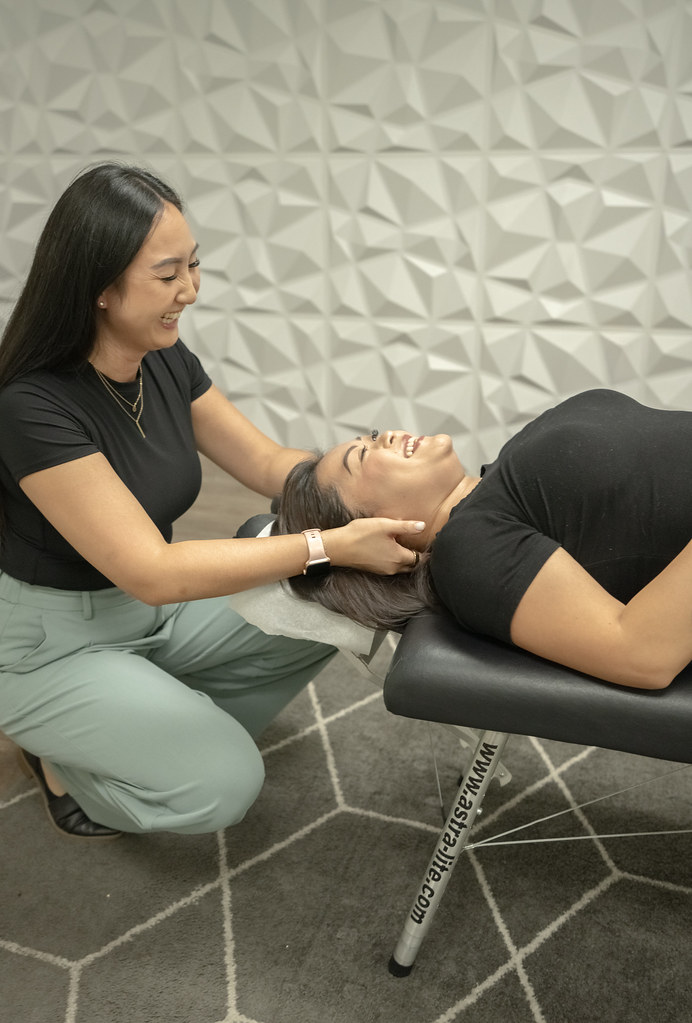
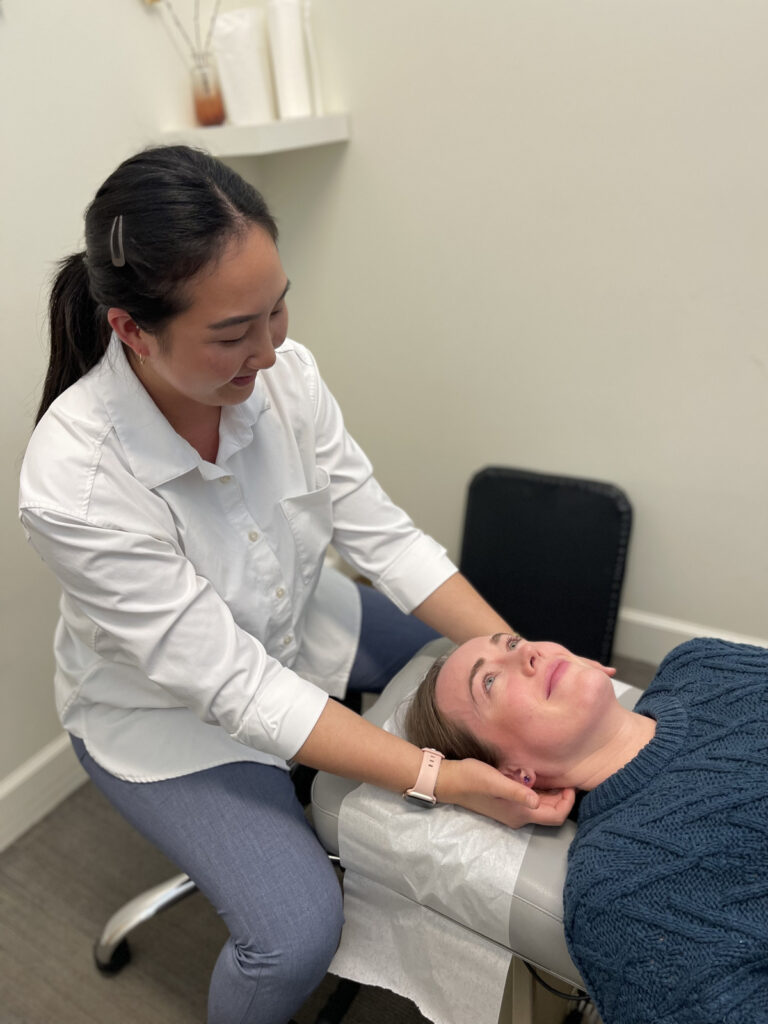
Spinal adjustments are at the core of chiropractic care for arm pain. When Dr. Lisa Ly identifies misalignments in the cervical or thoracic spine, precise, controlled adjustments are used to restore proper alignment and reduce nerve interference. Evidence published through organizations like the National Institutes of Health and the American Chiropractic Association suggests that spinal manipulation can be an effective conservative treatment for nerve-related arm symptoms, particularly those stemming from the neck.
Beyond adjustments, care at Reform Spine & Wellness may include soft tissue therapies to address muscle tension and trigger points, corrective exercises to strengthen the stabilizing muscles of the neck and shoulder, and postural coaching to help you move and sit in ways that support long-term healing. The goal is never just to get you feeling better temporarily — it’s to understand why your body is struggling and help it function the way it’s designed to.
For San Diego residents dealing with arm pain that hasn’t responded to rest, stretching, or over-the-counter remedies, chiropractic care at Reform Spine & Wellness is a meaningful next step worth exploring. Many patients report that after a thorough evaluation and a structured care plan, they begin to experience improvements not just in arm pain, but in their overall energy, sleep, and movement quality.
Practical Tips for Daily Arm Pain Relief
While professional care is important, there are also supportive habits you can build into your daily routine that may help reduce arm discomfort. These aren’t replacements for evaluation — they’re complements to it. Small, consistent changes in how you move and position your body can make a real difference over time.
Start by examining your workstation setup. Your monitor should be at eye level so you’re not constantly tilting your head forward or downward. Your keyboard and mouse should be positioned so your elbows are at a roughly 90-degree angle and your wrists are in a neutral, relaxed position. These simple ergonomic adjustments reduce cumulative stress on the neck, shoulder, and arm structures throughout the workday.
Take regular movement breaks. If you’re sitting for long periods — whether at a desk, in a car, or on a couch — your muscles tighten and your spine compresses. Getting up and gently moving your neck and shoulders every 30 to 45 minutes can help reset circulation and reduce nerve tension. Gentle range-of-motion exercises for the neck, such as slow head tilts and rotations, can be helpful when done mindfully and without pain.
Pay attention to how you sleep. Sleeping on your stomach with your head turned to one side puts significant rotational stress on the cervical spine. Side-lying or back-sleeping positions with proper pillow support tend to be more spine-friendly. If you consistently wake up with arm numbness or tingling, your sleep position may be a contributing factor worth discussing with Dr. Lisa Ly.
When to See a Chiropractor
If your arm pain has been present for more than two or three weeks and hasn’t improved with basic rest and movement adjustments, it’s a good time to seek a professional evaluation. The longer nerve irritation goes unaddressed, the more deeply it can entrench — making early intervention a smart choice.
You should also consider scheduling an evaluation if your arm pain is accompanied by neck stiffness, frequent headaches, or shoulder tightness, as these patterns together often point to spinal involvement. Pain that radiates down the arm from the neck or shoulder, or that is associated with weakness and grip difficulty, warrants a timely assessment.
However, there are certain symptoms that require immediate medical attention rather than chiropractic care. If you experience sudden, severe arm pain accompanied by chest pain or shortness of breath, this could indicate a cardiac event and you should call emergency services right away. Sudden weakness or numbness in both arms, difficulty walking, or loss of bladder or bowel control alongside arm symptoms are red flags that require urgent medical evaluation. Chiropractic care is a wonderful tool for many causes of arm pain, but it works best as part of a responsible, coordinated approach to your health.
|
Condition / Cause |
Common Symptoms |
Likely Area of Origin |
Chiropractic Role |
|---|---|---|---|
|
Cervical Radiculopathy |
Shooting pain, tingling, numbness down the arm |
Neck (cervical spine) |
Spinal adjustment to reduce nerve compression |
|
Thoracic Outlet Syndrome |
Arm numbness, shoulder aching, hand weakness |
Collarbone / upper rib area |
Soft tissue work, postural correction, rib mobilization |
|
Rotator Cuff Irritation |
Shoulder ache, pain with overhead movement |
Shoulder joint |
Shoulder mobilization, corrective exercises |
|
Carpal Tunnel Syndrome |
Hand/wrist tingling, nighttime numbness |
Wrist (median nerve) |
Wrist and cervical evaluation, soft tissue care |
|
Poor Posture / Subluxation |
General arm aching, neck stiffness, fatigue |
Cervical / thoracic spine |
Spinal adjustments, postural coaching, corrective exercises |
Myths vs. Facts About Arm Pain and Chiropractic Care
Myth: Arm pain always originates in the arm.
Fact: Many cases of daily arm pain actually originate in the cervical spine or shoulder girdle. Nerve pathways travel from the neck all the way to the fingertips, and irritation anywhere along that path can create symptoms far from the source. A proper evaluation helps identify where the problem truly begins.
Myth: Chiropractic adjustments are only for back pain.
Fact: Chiropractic care addresses the entire musculoskeletal and nervous system, not just the lower back. The cervical spine, shoulder joints, elbows, and wrists all fall within the scope of chiropractic evaluation and treatment. Many patients come to Reform Spine & Wellness in San Diego specifically for upper extremity complaints.
Myth: If you’ve had arm pain for years, nothing can help it.
Fact: Chronic arm pain is often the result of long-standing structural or postural issues that have never been directly addressed. While longer-standing problems may take more time to improve, they are often very responsive to chiropractic care once the root cause is properly identified and treated.
Myth: Chiropractic neck adjustments are dangerous.
Fact: Cervical chiropractic adjustments, when performed by a qualified and licensed chiropractor, are widely considered safe for appropriate patients. Serious adverse events are rare. Dr. Lisa Ly conducts a thorough health history and examination before recommending any treatment, ensuring that care is safe and suitable for your individual situation.
Myth: You should just rest and wait for arm pain to go away on its own.
Fact: While mild, short-lived arm discomfort sometimes resolves on its own, persistent or recurring arm pain often has an underlying cause that won’t improve with rest alone. Waiting can sometimes allow the problem to worsen or become more chronic. Early evaluation tends to lead to better outcomes.
Final Thoughts from Reform Spine & Wellness
Daily arm pain doesn’t have to be your new normal. Whether you’re a San Diego professional whose wrists ache after a long day at the keyboard, an active local whose shoulder has been nagging for months, or someone who wakes up every morning with tingling in their fingers, there is real hope for understanding and resolving what’s going on. At Reform Spine & Wellness, we believe that healing starts with genuinely listening — to your history, your symptoms, and your goals.
Dr. Lisa Ly and the team here in San Diego take a whole-body, root-cause approach to arm pain that goes beyond surface-level symptom relief. We take the time to understand the full picture of your health so that the care we deliver actually addresses why you’re hurting — not just where. That’s what “Where Healing Begins and Change Happens” truly means to us in practice.
If you’ve been dealing with daily arm pain and you’re ready to find real answers, we warmly invite you to reach out to Reform Spine & Wellness. Our community here in San Diego deserves to feel well, move freely, and live fully — and we’re here to help make that possible, at every stage of life.
Frequently Asked Questions
Can a chiropractor help with arm pain caused by a pinched nerve?
Yes, chiropractic care is one of the most commonly used conservative approaches for nerve-related arm pain, particularly when the source is in the cervical spine. Spinal adjustments aim to reduce the pressure on affected nerves, which can help alleviate pain, tingling, and weakness in the arm. A thorough evaluation is needed to confirm the source of the nerve irritation.
How many chiropractic visits does it take to see improvement in arm pain?
This varies depending on the cause, severity, and duration of the arm pain. Some patients notice meaningful improvement within a few visits, while longer-standing or more complex conditions may require a more extended care plan. Dr. Lisa Ly will provide a clear picture of what to expect after your initial evaluation.
Is daily arm pain ever a sign of something serious?
In most cases, daily arm pain is caused by musculoskeletal or nerve-related issues that are very treatable. However, arm pain combined with chest pain, sudden weakness on one side of the body, or difficulty breathing requires immediate emergency medical attention. When in doubt, seek evaluation promptly.
What’s the difference between arm pain from the neck versus arm pain from the shoulder?
Arm pain from the neck (cervical radiculopathy) often follows a specific nerve pathway, radiating from the neck into the shoulder, arm, and sometimes fingers. It may be accompanied by neck stiffness or worsened by neck movements. Shoulder-originating pain tends to be more localized to the shoulder joint and worsens with specific shoulder movements. A chiropractic evaluation can help distinguish between the two.
Can posture really cause arm pain?
Absolutely. Poor posture — especially the forward head posture that develops from prolonged screen use — places significant stress on the cervical spine and the nerves that exit it. Over time, this can contribute directly to arm pain, tingling, and weakness. Correcting posture is often a key part of the care plan at Reform Spine & Wellness.
Should I see a chiropractor or a medical doctor first for arm pain?
For arm pain that doesn’t involve red flag symptoms (like chest pain or sudden severe weakness), a chiropractor is a very appropriate first point of contact. Chiropractors are trained to assess musculoskeletal and neurological causes of arm pain and can refer patients to medical specialists if needed. Reform Spine & Wellness in San Diego takes a collaborative, patient-centered approach to make sure you get the right care.
TL;DR Summary
-
Daily arm pain is often rooted in spinal misalignment or nerve compression in the neck, not just the arm itself.
-
Common causes include cervical radiculopathy, poor posture, rotator cuff issues, and repetitive strain — all of which chiropractic care can help address.
-
Dr. Lisa Ly at Reform Spine & Wellness in San Diego uses a whole-body, root-cause approach to identify why you’re hurting and build a plan that delivers lasting relief.
-
Simple daily habits — like ergonomic adjustments, movement breaks, and better sleep positioning — can support your recovery alongside professional care.
-
If arm pain has persisted for more than a few weeks or is accompanied by neurological symptoms, it’s time to seek a professional evaluation rather than waiting it out.