
If you’ve been waking up with numb, tingling fingers or struggling to grip your morning coffee mug without discomfort, you’re not alone. Carpal tunnel syndrome is one of the most common nerve-related conditions affecting people today — and it has a way of creeping into nearly every aspect of daily life. Here at Reform Spine & Wellness in San Diego, we see patients every week who have been living with wrist pain, hand weakness, and that frustrating “pins and needles” sensation for months — sometimes years — before seeking help. The good news? You don’t have to just manage it. With a thoughtful, root-cause approach to care, there is a real path from pain to progress.
What Is Carpal Tunnel Syndrome?
Carpal tunnel syndrome (CTS) is a condition caused by compression of the median nerve as it passes through the carpal tunnel — a narrow passageway of bones and ligaments located at the base of the wrist. When this tunnel becomes narrowed or the surrounding tissues become inflamed, the nerve gets squeezed, producing symptoms like numbness, tingling, weakness, and pain in the hand, fingers, and sometimes the forearm. It is not simply a “wrist problem” — it is a nerve compression issue that deserves whole-body attention.
Common Causes and Risk Factors
Carpal tunnel syndrome doesn’t appear out of nowhere. In most cases, it develops gradually over time as a result of repetitive stress, sustained postures, or underlying health factors that increase pressure within the wrist. Understanding what’s driving your symptoms is the first step toward meaningful relief — and it’s a step that Dr. Lisa Ly takes seriously with every patient who walks through the doors at Reform Spine & Wellness.
Repetitive hand and wrist motions are among the most common contributors. Typing, assembly line work, using vibrating tools, or even certain musical instruments can overload the tendons and soft tissues inside the carpal tunnel, causing them to swell and press against the median nerve. This is why so many San Diego professionals who spend long hours at a desk or keyboard find themselves developing symptoms over time.
There are also several systemic and structural factors that increase susceptibility. These include pregnancy (due to fluid retention), thyroid disorders, diabetes, rheumatoid arthritis, and wrist anatomy — some people simply have narrower carpal tunnels by nature. Poor posture, particularly the way we hold our necks and shoulders while working, can also create tension along the entire nerve pathway from the cervical spine down to the fingertips. This is a connection that chiropractic care is uniquely positioned to address.
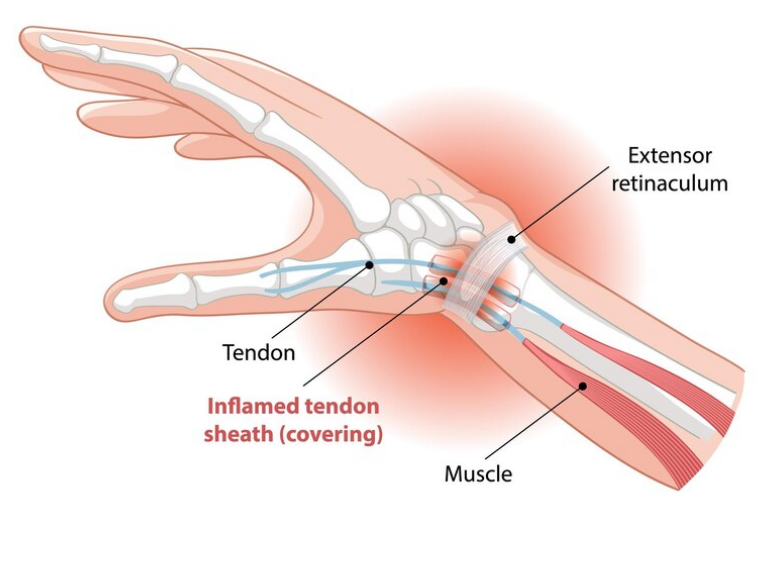
Signs and Symptoms to Watch For
The classic presentation of carpal tunnel syndrome centers on the thumb, index finger, middle finger, and part of the ring finger — the areas served by the median nerve. Symptoms often start subtly and worsen gradually, which is why many people dismiss them as temporary fatigue or “sleeping funny.”
The most frequently reported symptoms include numbness and tingling in the hand that wakes you from sleep, a burning or aching sensation in the wrist or forearm, weakness when pinching or gripping objects, and a tendency to drop things unexpectedly. Many patients also notice that shaking their hand — almost instinctively — provides brief, temporary relief. This is actually a telltale sign that the median nerve is being compressed.
As the condition progresses without care, symptoms can become more constant rather than intermittent, and muscle wasting at the base of the thumb (the thenar muscles) may develop in more advanced cases. Catching and addressing these changes early can make a meaningful difference in outcomes — which is why we encourage anyone in the San Diego area noticing these warning signs to seek evaluation sooner rather than later.
How Chiropractic Care Fits In
Many people assume that carpal tunnel syndrome is purely a hand problem best left to surgeons or orthopedists. While surgery is appropriate in some advanced cases, a large number of individuals respond well to conservative, non-invasive care — especially when they seek help before the condition becomes severe. Chiropractic care is one of the most well-established non-surgical approaches for managing carpal tunnel syndrome, and at Reform Spine & Wellness, it is approached from a whole-body perspective that produces results that last.
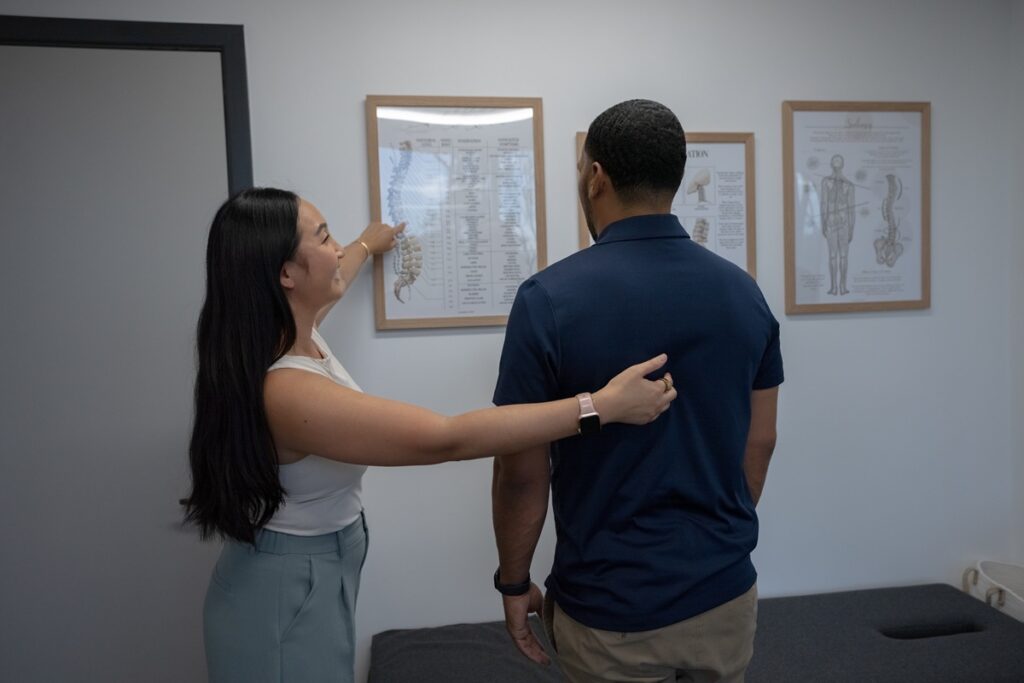
Dr. Lisa Ly begins every evaluation by looking beyond just the wrist. Because the median nerve originates in the cervical spine (the neck), dysfunction or misalignment in that area can contribute to or worsen nerve compression lower down the arm. Research in the field of musculoskeletal care has shown that the nerve can be subject to compression at multiple points along its path — the neck, the shoulder, the elbow, and the wrist — a concept sometimes referred to as a “double crush” phenomenon. Addressing only the wrist without evaluating the full kinetic chain often leads to incomplete relief.
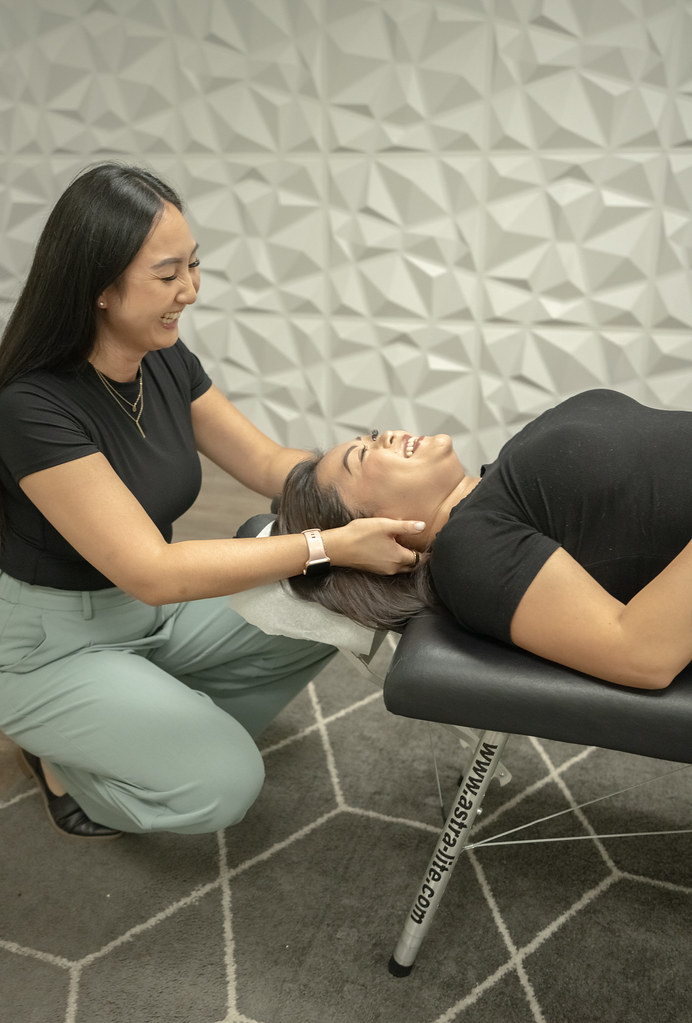
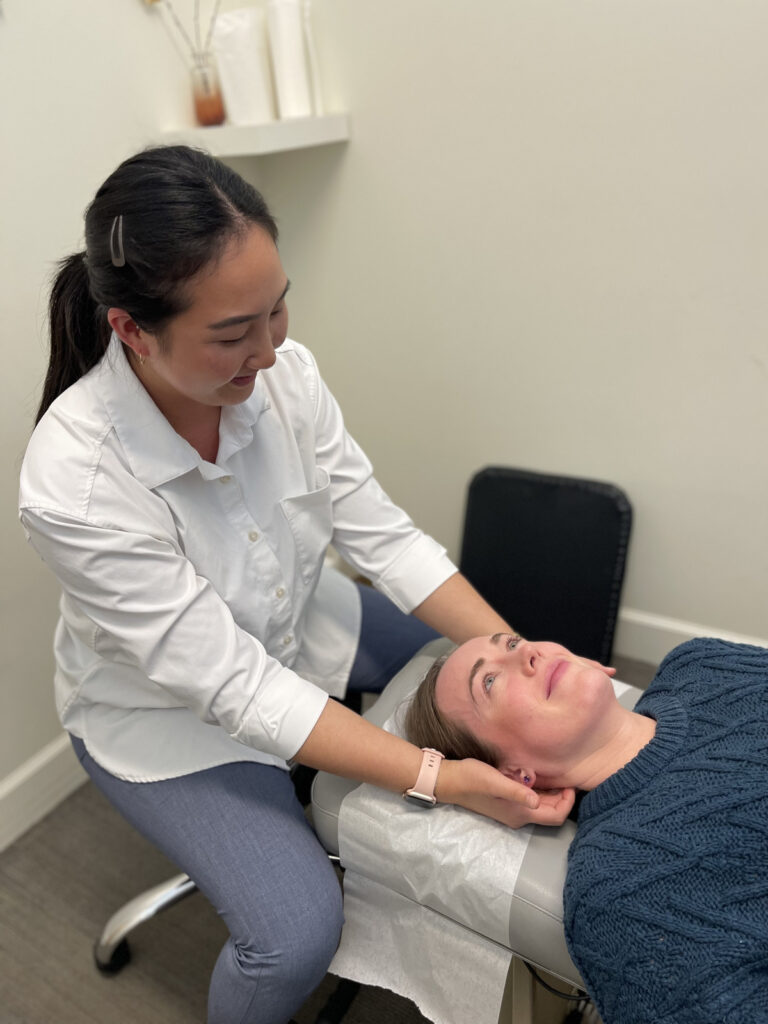
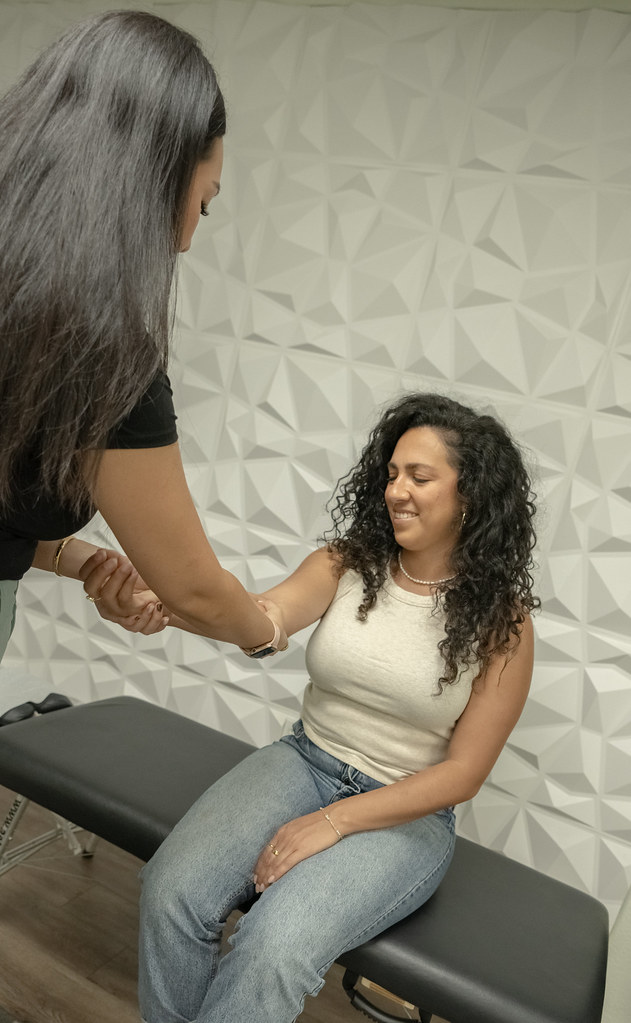
Chiropractic adjustments to the wrist, elbow, and cervical spine can help reduce mechanical pressure on the median nerve, restore proper joint mobility, and improve the overall biomechanical environment in which the nerve functions. Soft tissue work, mobilization of the carpal bones, and targeted therapeutic exercises may also be incorporated into a care plan depending on each patient’s unique presentation. At Reform Spine & Wellness, no two care plans look alike — because no two patients are alike.
Evidence from the NCCIH and other organizations suggests that conservative care, including chiropractic management, can be a meaningful option for individuals with mild to moderate carpal tunnel syndrome, particularly when combined with ergonomic corrections and lifestyle modifications. Dr. Lisa Ly works to ensure that every patient at our San Diego practice leaves with not only treatment, but also a genuine understanding of why their body is struggling and what they can do to support their own healing.
Practical Tips for Everyday Relief
While professional evaluation and care are important, there are meaningful steps you can take in your daily life to reduce stress on the carpal tunnel and support your recovery. These aren’t quick fixes — but practiced consistently, they can make a real difference.
Start with your workstation. If you spend significant time at a computer, your keyboard and mouse should be positioned so that your wrists remain in a neutral, flat position rather than extended or flexed. Your forearms should rest comfortably at approximately elbow height, and your screen should be at eye level to discourage forward head posture. These ergonomic adjustments reduce cumulative strain on both the wrist and the nerve pathway that feeds it.
Take movement breaks regularly throughout your day. The body is not designed for sustained, static postures, and prolonged periods of repetitive motion without rest are a major driver of carpal tunnel symptoms. Setting a simple timer to pause, stretch, and reset every 45-60 minutes can help interrupt the cycle of irritation. Gentle wrist flexion and extension stretches, as well as nerve gliding exercises (performed under professional guidance), are often recommended as part of a conservative care plan.
Pay attention to how you sleep. Many people with carpal tunnel syndrome experience their worst symptoms at night because they sleep with their wrists bent. A neutral wrist splint worn at night — particularly in the early stages — can help prevent this and give the inflamed tissues a chance to settle. Dr. Lisa Ly can help guide you on whether this is appropriate for your situation during your evaluation at Reform Spine & Wellness.

When to See a Chiropractor
If you’ve been experiencing wrist numbness, tingling, or weakness — even intermittently — it is worth getting evaluated. The earlier a nerve compression issue is identified, the more options are available and the better the typical outcome. You don’t need to wait until symptoms are severe or constant to seek chiropractic care.
A chiropractic evaluation is particularly appropriate when symptoms are mild to moderate, when you’d prefer to explore non-surgical options first, when previous short-term treatments haven’t produced lasting relief, or when symptoms seem connected to your work setup or daily posture. Many patients at Reform Spine & Wellness in San Diego come to us after trying wrist braces or over-the-counter remedies without finding real resolution — and what they often discover is that the root cause was never fully addressed.
There are, however, situations where more urgent medical attention is warranted. If you are experiencing severe, constant pain, significant muscle wasting at the base of the thumb, complete loss of hand function, or symptoms that are rapidly worsening, please consult with your primary care physician or a specialist promptly. Chiropractic care works best as part of a collaborative healthcare approach, and Dr. Lisa Ly will always refer out when a patient’s needs fall outside the appropriate scope of conservative care.
Treatment Approaches at a Glance
|
Approach |
Method |
Best For |
Key Consideration |
|---|---|---|---|
|
Chiropractic Care |
Joint adjustments, soft tissue therapy, nerve mobilization, ergonomic guidance |
Mild to moderate CTS; whole-body contributors |
Non-invasive; addresses root cause; no medication required |
|
Wrist Splinting |
Neutral wrist positioning during sleep or activity |
Early symptom management; nighttime relief |
Manages symptoms but doesn’t resolve underlying cause |
|
Corticosteroid Injections |
Anti-inflammatory medication injected into the carpal tunnel |
Short-term symptom relief; moderate CTS |
Temporary; repeated use has limitations |
|
Surgical Decompression |
Release of the transverse carpal ligament |
Severe or persistent CTS unresponsive to conservative care |
Invasive; recovery time required; typically considered last resort |
|
Ergonomic Modifications |
Workstation adjustments, tool changes, movement breaks |
Prevention; supportive alongside other care |
Essential for long-term resolution; not sufficient alone in most cases |
Myths vs. Facts About Carpal Tunnel Syndrome
Myth: Carpal tunnel syndrome only affects people who type all day.
Fact: While keyboard work is a well-known risk factor, carpal tunnel syndrome affects people across many occupations and lifestyles — including tradespeople, musicians, healthcare workers, and new mothers. Anatomy, overall health, and posture all play a role. Anyone can develop CTS regardless of profession.
Myth: Surgery is the only real solution for carpal tunnel syndrome.
Fact: Surgery is appropriate for some severe cases, but evidence indicates that many individuals with mild to moderate carpal tunnel syndrome respond well to conservative care, including chiropractic treatment, splinting, and ergonomic correction. Starting with non-invasive options is generally recommended before considering surgical intervention.
Myth: Carpal tunnel syndrome is purely a wrist problem.
Fact: The median nerve originates in the cervical spine and travels the full length of the arm. Dysfunction anywhere along this pathway — including the neck, shoulder, or elbow — can contribute to carpal tunnel-like symptoms. This is why a whole-body evaluation, like the one offered at Reform Spine & Wellness, can uncover contributing factors that a wrist-only approach might miss.
Myth: If you ignore carpal tunnel symptoms, they’ll go away on their own.
Fact: For most people, carpal tunnel syndrome is a progressive condition. Without addressing the underlying causes, symptoms tend to worsen over time. Early intervention with conservative care typically leads to better outcomes than waiting until symptoms become severe.
Myth: Chiropractic care for carpal tunnel is just about cracking the wrist.
Fact: Chiropractic management of carpal tunnel syndrome is far more comprehensive than a single adjustment. It involves a thorough evaluation, spinal and peripheral joint mobilization where appropriate, soft tissue care, therapeutic exercise guidance, and lifestyle modifications — all tailored to the individual patient’s needs and goals.
Final Thoughts
Living with carpal tunnel syndrome can feel isolating and discouraging — especially when it begins to interfere with work, hobbies, and the simple pleasures of daily life. But it doesn’t have to be a permanent sentence. With the right care and the right approach, meaningful improvement is genuinely possible.
At Reform Spine & Wellness in San Diego, Dr. Lisa Ly and our care team believe that every patient deserves to understand what’s happening in their body and why — not just receive a temporary fix. Our whole-body, root-cause philosophy means we look at the full picture: your posture, your movement patterns, your lifestyle, and your goals. That’s how lasting change happens.
If you or someone you love has been dealing with wrist numbness, tingling fingers, or hand weakness, we invite you to take the next step. You deserve care that actually listens. Here in San Diego, Reform Spine & Wellness is honored to be that place for so many individuals and families — and we’d love the opportunity to support your journey from pain to progress.
Frequently Asked Questions
Can a chiropractor actually help with carpal tunnel syndrome?
Yes — chiropractic care is a recognized conservative approach for mild to moderate carpal tunnel syndrome. By addressing joint dysfunction in the wrist, elbow, and cervical spine, as well as providing soft tissue care and ergonomic guidance, chiropractors can help reduce nerve compression and improve function. It is always best to have a thorough evaluation to determine the most appropriate course of care for your specific situation.
How long does it take to see improvement with chiropractic care for carpal tunnel?
The timeline varies depending on the severity of symptoms, how long they’ve been present, and individual health factors. Some patients notice improvement within a few weeks of beginning care, while others with more longstanding conditions may require a longer course of treatment. Dr. Lisa Ly will discuss realistic expectations with you based on your individual evaluation at Reform Spine & Wellness.
Is carpal tunnel syndrome the same as wrist tendinitis?
No — though they can sometimes feel similar. Carpal tunnel syndrome involves compression of the median nerve and produces numbness, tingling, and weakness in specific fingers. Wrist tendinitis involves inflammation of the tendons and typically produces more localized pain with movement, without the characteristic numbness pattern. A proper evaluation can help distinguish between the two.
Can poor posture contribute to carpal tunnel syndrome?
Yes. Forward head posture and rounded shoulders can increase tension along the entire nerve pathway from the neck to the hand, contributing to or worsening carpal tunnel symptoms. This is one reason why addressing posture and spinal alignment is often part of a comprehensive chiropractic approach to CTS.
Should I wear a wrist brace while receiving chiropractic care?
In many cases, a neutral wrist splint worn at night can complement chiropractic care by reducing nerve irritation during sleep. Whether or not a brace is appropriate for your situation is something Dr. Lisa Ly can advise on during your evaluation — the recommendation will depend on the nature and severity of your symptoms.
Is carpal tunnel syndrome preventable?
Not always, but many cases can be delayed or reduced in severity through proactive measures. Maintaining good posture, setting up an ergonomic workstation, taking regular movement breaks, and addressing spinal health before symptoms develop are all strategies that support long-term nerve and joint health.
TL;DR — Key Takeaways
-
Carpal tunnel syndrome is caused by compression of the median nerve at the wrist and produces numbness, tingling, and weakness in the hand — symptoms that tend to worsen without proper care.
-
The median nerve originates in the cervical spine, so a whole-body evaluation is essential — not just a wrist-focused one.
-
Chiropractic care is a well-established, non-invasive option for mild to moderate carpal tunnel syndrome, addressing root causes rather than just masking symptoms.
-
Ergonomic adjustments, posture awareness, and regular movement breaks are important supportive strategies for relief and long-term prevention.
-
At Reform Spine & Wellness in San Diego, Dr. Lisa Ly provides individualized, whole-body chiropractic care designed to help patients find lasting relief — not just temporary comfort.