
Back pain has a way of taking over your life quietly at first — a little stiffness in the morning, some tension after a long day — and then suddenly it’s the first thing you think about when you wake up and the last thing on your mind before you fall asleep. If you’ve been living with back pain for months or years, you may have reached a point where surgery starts to feel like your only option. That question — is surgery right for me? — deserves a clear, honest answer. Here at Reform Spine & Wellness in San Diego, Dr. Lisa Ly works with patients every day who come in frustrated, exhausted, and wondering if the operating room is the only door left open. More often than not, the answer is no. But understanding when surgery may genuinely be appropriate — and when conservative care still has tremendous potential — is exactly the kind of knowledge that puts you back in control of your health.
What Does “Surgery as a Last Resort” Actually Mean for Back Pain?
It means that, for the vast majority of back pain cases, surgical intervention is not the first — or even the second or third — line of treatment. Evidence-based guidelines from organizations like the American College of Physicians (ACP) and the National Institutes of Health consistently recommend exhausting conservative, non-invasive options before considering surgery. Surgery may be appropriate in specific, well-defined circumstances, but those circumstances are narrower than most people realize.
Understanding Back Pain: Why It’s Rarely a Surgical Problem
Back pain is one of the most common health complaints in the world, and yet it’s also one of the most misunderstood. Here in San Diego, patients come to Reform Spine & Wellness having already tried medication, rest, and even physical therapy — and they’re still hurting. That’s discouraging. But the solution almost never lies in surgery, at least not as a starting point.
The spine is a complex, dynamic structure made up of vertebrae, discs, ligaments, muscles, and nerves — all working together to support movement, protect the spinal cord, and bear load throughout your day. When something goes wrong — whether it’s a herniated disc, a muscle imbalance, joint dysfunction, or poor posture accumulated over years — the pain can feel overwhelming. But most of those underlying issues respond remarkably well to non-surgical care when that care is targeted, consistent, and rooted in addressing the actual cause.
Research published through the Cochrane Library and supported by the ACP consistently shows that most episodes of back pain — even significant ones — improve with time and appropriate conservative treatment. The body has a genuine capacity to heal. What it often needs is the right support, not a scalpel.
That said, it’s important not to dismiss pain that’s been lingering for a long time or that’s getting progressively worse. The goal here isn’t to talk anyone out of necessary care — it’s to make sure every option has been genuinely explored before a decision as serious as surgery is made.
When Surgery Might Be Considered for Back Pain
There are specific, well-defined situations where back surgery may genuinely be the most appropriate course of action. Knowing what those situations look like helps you have an informed conversation with your entire care team — including your chiropractor, your primary care physician, and any specialist you may be seeing.
Surgery is most commonly considered when there is a structural problem that is causing serious, measurable neurological compromise — meaning the nerves are being affected in a way that conservative care cannot adequately address. One of the most recognized examples is cauda equina syndrome, where compression of the nerve roots at the base of the spine causes loss of bowel or bladder control. That is a medical emergency and requires immediate surgical intervention.
Beyond emergencies, surgery may be discussed when a patient has a confirmed diagnosis — such as severe spinal stenosis, a large herniated disc causing significant nerve impingement, or spondylolisthesis with nerve involvement — and has undergone a meaningful trial of conservative care (typically six to twelve weeks or more) without adequate improvement. Imaging findings alone are not enough. A herniated disc visible on an MRI, for example, does not automatically mean surgery is necessary. Many people have disc herniations that cause no symptoms whatsoever.
The decision to pursue surgery should always involve a second opinion, a thorough review of conservative treatment history, and a clear understanding of what the expected outcomes and risks of that specific procedure actually are. Dr. Lisa Ly often encourages patients at Reform Spine & Wellness to bring their imaging and records to a consultation so that the full picture can be reviewed before any major decision is made.
Red Flags That Warrant Immediate Medical Attention
While the vast majority of back pain does not require surgery or emergency care, there are warning signs that should prompt you to seek immediate medical evaluation — not a chiropractic appointment, but an emergency room or urgent care visit. These include sudden loss of bladder or bowel control, progressive weakness in one or both legs, numbness in the groin or inner thighs (sometimes called “saddle anesthesia”), or back pain that follows a serious fall or trauma.
Additionally, back pain accompanied by unexplained weight loss, fever, or a history of cancer warrants prompt medical evaluation to rule out serious underlying conditions. At Reform Spine & Wellness, Dr. Lisa Ly and the care team take these red flags seriously and will always refer patients to the appropriate provider when a situation falls outside the chiropractic scope of care. Your safety is the foundation of everything we do.
The Case for Conservative Care First
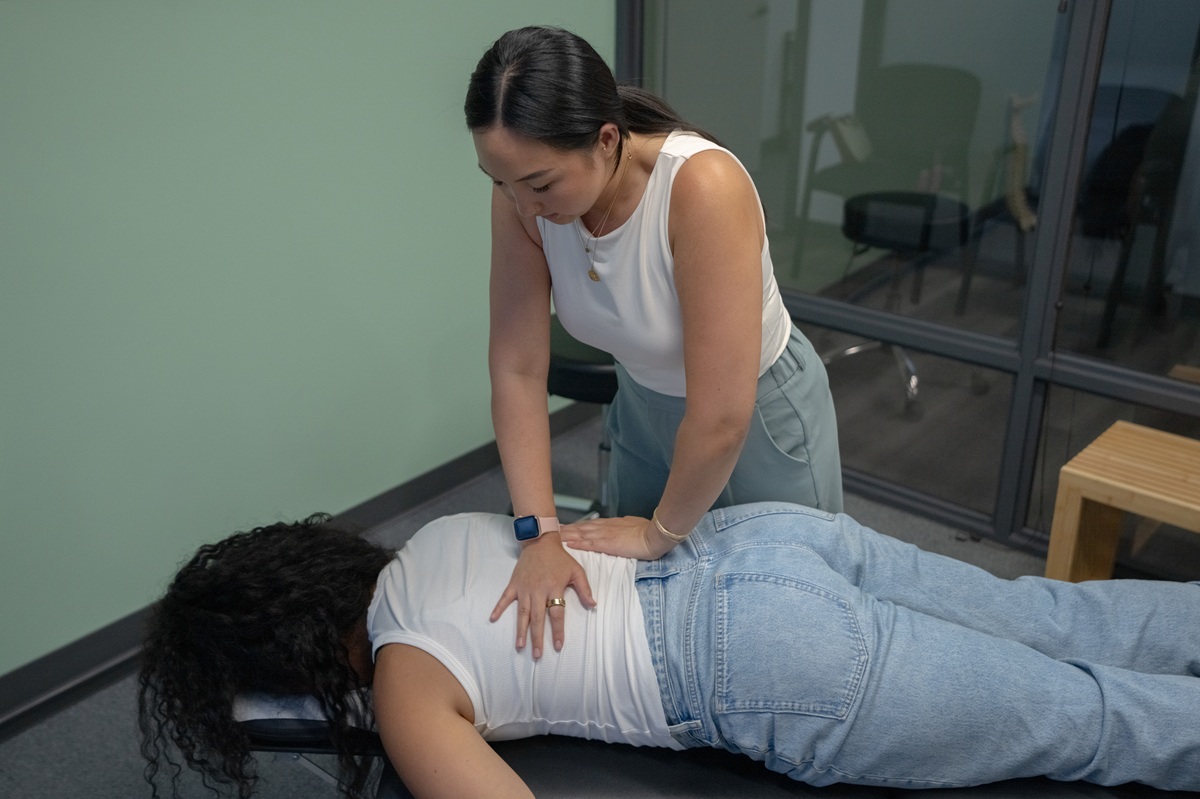
The term “conservative care” sometimes sounds like settling for less. It isn’t. Conservative care — which includes chiropractic adjustments, soft tissue work, corrective exercise, ergonomic coaching, and lifestyle modification — is the gold-standard first-line approach for back pain according to the ACP, the World Health Organization, and numerous other leading health bodies. It is effective, non-invasive, and carries significantly fewer risks than surgical options.
What makes conservative care particularly powerful is that it addresses the root causes of pain rather than managing symptoms. A patient who has chronic lower back pain because of joint dysfunction, core weakness, and years of poor posture doesn’t have a surgical problem — they have a biomechanical problem. And biomechanical problems respond to biomechanical solutions.
Back surgery, while genuinely life-changing in the right circumstances, carries real risks: infection, complications from anesthesia, failed back surgery syndrome (a condition where pain persists or worsens after surgery), adjacent segment disease, and prolonged recovery. These are not reasons to fear surgery when it’s truly needed — but they are powerful reasons to be certain it’s needed before moving forward. Evidence from the Spine Journal and other peer-reviewed sources indicates that outcomes for many back conditions are comparable between surgery and well-executed conservative care over time. That’s a meaningful data point.
How Chiropractic Care Fits Into Your Back Pain Journey
Chiropractic care is not a replacement for surgery when surgery is genuinely warranted. But it is a highly effective, well-researched option for the broad population of people with back pain who are not in that category. At Reform Spine & Wellness in San Diego, Dr. Lisa Ly approaches each patient as a whole person — not a diagnosis on a chart.
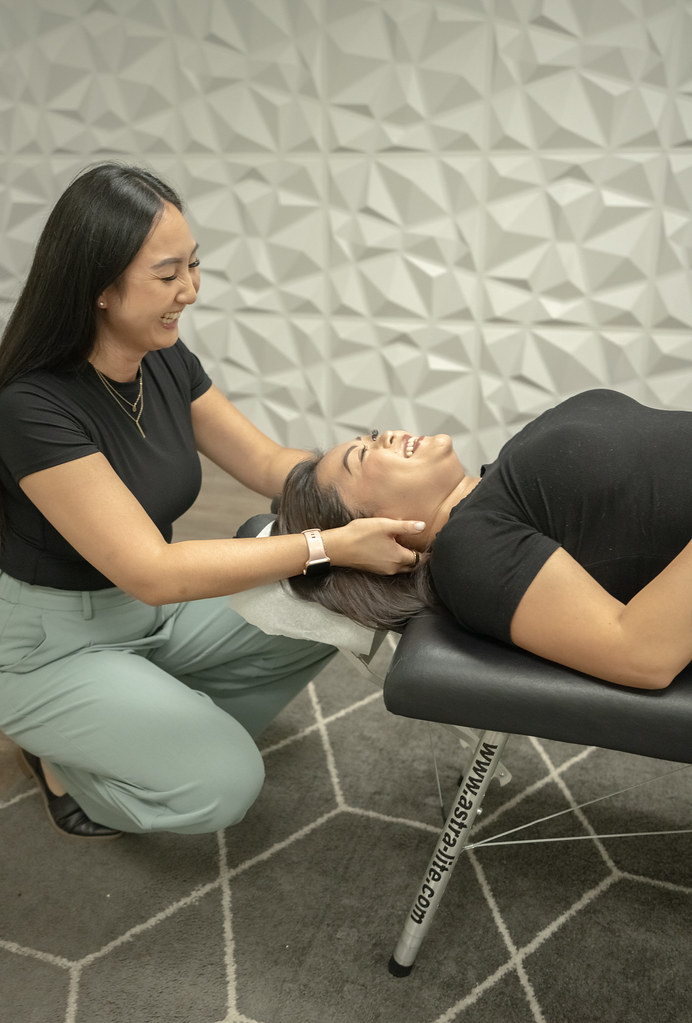
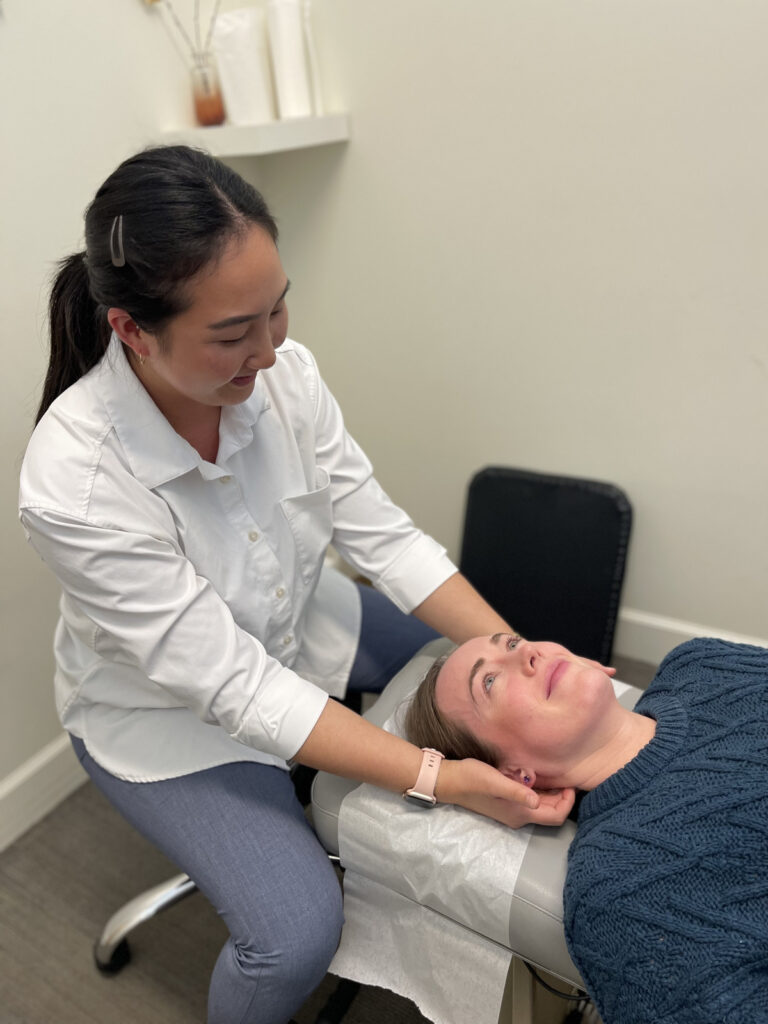
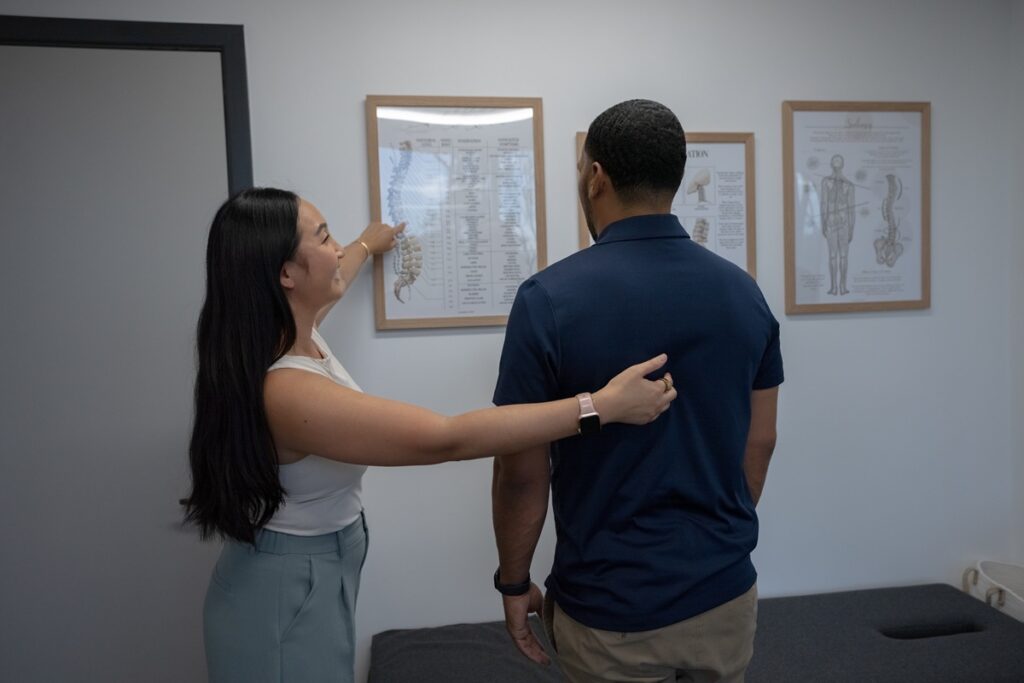
A chiropractic care plan at Reform typically begins with a thorough evaluation: a detailed health history, a functional assessment of your posture and movement patterns, neurological checks, and a review of any relevant imaging you’ve already had. From there, a personalized care plan is developed that may include spinal adjustments to restore proper joint motion, soft tissue techniques to release muscular tension, and guidance on home exercises and posture habits that support long-term recovery.
Spinal adjustments work by restoring proper alignment and movement to spinal joints that have become restricted or dysfunctional. When joints move the way they’re designed to move, the surrounding muscles can relax, inflammation decreases, and nerve irritation is reduced. For many patients, this process — especially when sustained over several weeks — produces meaningful, lasting relief. The goal at Reform is never to create dependency on care. It’s to help your body heal, give you the tools to stay well, and be a trusted resource throughout your health journey.
Chiropractic care is also an excellent complement to surgical recovery when surgery has already taken place. Many patients who have had back surgery benefit from chiropractic support in the months following their procedure to restore mobility, address compensatory patterns in the body, and prevent future problems from developing.
Practical Steps You Can Take Right Now
Whether you’re in the early stages of back pain or you’ve been living with it for years, there are things you can do today that genuinely support your spine’s health and your body’s ability to heal.
Movement is medicine. One of the most well-supported recommendations for back pain is to keep moving — gently, within a comfortable range. Staying sedentary actually prolongs pain and stiffness for most people. Short walks, gentle stretching, and low-impact activities like swimming or yoga can make a significant difference over time.
Pay attention to your workspace. For the many San Diego residents working from home or at a desk, ergonomics matter enormously. Your monitor should be at eye level, your chair should support the natural curve of your lower back, and your feet should rest flat on the floor. These seem like small details, but they add up over hours and years of daily sitting.
Prioritize sleep quality and position. Sleeping on your side with a pillow between your knees, or on your back with a pillow under your knees, can reduce stress on the lumbar spine significantly. Your mattress matters too — one that’s either too firm or too soft can contribute to chronic back discomfort.
Address stress honestly. The connection between chronic stress, muscle tension, and back pain is real and well-documented. Mindfulness practices, breathwork, and simply carving out time for rest aren’t luxuries — they’re part of a complete approach to spinal health.
When to See a Chiropractor About Your Back Pain
If your back pain has lasted more than a few days and isn’t improving, that’s a reasonable signal to seek an evaluation. You don’t need to be in crisis mode to benefit from chiropractic care — in fact, the earlier you address a problem, the easier it typically is to resolve.
You should consider scheduling a visit with Dr. Lisa Ly at Reform Spine & Wellness if your back pain is interfering with your ability to work, sleep, exercise, or care for your family. If you’ve been told surgery is your only option but haven’t yet tried a structured course of conservative care, a chiropractic evaluation is a reasonable and evidence-supported next step before making that decision.
If you’re already working with a surgeon or specialist, chiropractic care can often be coordinated as part of a collaborative approach. Dr. Lisa Ly is committed to working within a team-based model of care when that serves the patient best.
Situation |
Recommended Approach |
Why |
|---|---|---|
|
Acute back pain (less than 4 weeks) |
Conservative care: chiropractic, movement, heat/ice |
Most acute pain resolves with time and proper support |
|
Subacute or chronic back pain (4+ weeks) |
Structured chiropractic care plan + lifestyle modification |
Root-cause approach addresses underlying dysfunction |
|
Herniated disc with radiculopathy (no red flags) |
Conservative care first (6–12 weeks minimum) |
Many disc herniations resolve without surgical intervention |
|
Spinal stenosis with moderate symptoms |
Conservative care + evaluation by spine specialist |
Imaging alone doesn’t determine surgical necessity |
|
Cauda equina syndrome or severe neurological loss |
Emergency medical care immediately |
Surgical decompression may be urgently required |
|
Failed conservative care after adequate trial |
Surgical consultation with second opinion |
Surgery may be appropriate when conservative options are exhausted |
Myths vs. Facts About Back Surgery
Myth: If an MRI shows a disc herniation, surgery is necessary.
Fact: Imaging findings and symptoms don’t always match. Research indicates that a significant portion of people with disc herniations visible on MRI have no symptoms at all. Clinical symptoms, neurological findings, and response to conservative care are far more relevant to surgical decision-making than imaging alone. An MRI is a tool — not a sentence.
Myth: Surgery offers a permanent fix for back pain.
Fact: Surgery addresses specific structural problems, but it does not prevent future pain or dysfunction — especially if the lifestyle and biomechanical factors that contributed to the original problem are never addressed. Failed back surgery syndrome is a recognized condition in which pain persists or returns after surgery. Long-term outcomes for many conditions are comparable between surgery and conservative care.
Myth: Chiropractic care is dangerous if you have a herniated disc.
Fact: Chiropractic care — when delivered by a qualified provider following a proper evaluation — is widely regarded as a safe, effective option for many patients with disc herniations. Dr. Lisa Ly at Reform Spine & Wellness conducts a thorough assessment before beginning any care to ensure the approach is appropriate for each individual patient’s presentation.
Myth: If conservative care didn’t work before, it won’t work now.
Fact: Not all conservative care is equal. Generic exercises or a few massage sessions are very different from a structured, individualized chiropractic care plan that addresses your specific movement patterns, spinal alignment, and lifestyle factors. Many patients at Reform Spine & Wellness in San Diego have found meaningful relief after previous conservative attempts didn’t produce results — because this time, the care was actually targeted to the root cause.
Myth: Surgery is the fastest path back to normal life.
Fact: Surgical recovery is rarely fast. Most back surgeries require weeks to months of rehabilitation, carry risk of complications, and don’t guarantee a return to full function. For many patients, a committed course of chiropractic care produces comparable or better functional outcomes — without the recovery timeline or surgical risks.
Final Thoughts from Reform Spine & Wellness in San Diego
Living with back pain is exhausting, and the pressure to “just fix it” — even surgically — is completely understandable. But your spine deserves more than a rushed decision made out of desperation. At Reform Spine & Wellness, we believe that every patient deserves to fully understand their options before making a choice as significant as back surgery.
Dr. Lisa Ly and the team at Reform Spine & Wellness are here for exactly that kind of conversation — honest, thorough, and centered entirely on your long-term wellbeing. San Diego is a community full of active, health-conscious people who want to live fully, move freely, and feel well for the long haul. If you’re in pain right now and wondering whether surgery is your only path forward, we’d encourage you to come in for an evaluation first. Let’s look at the full picture together.
Because real, lasting change is possible — and it often begins much closer to home than the operating room.
Frequently Asked Questions
How long should I try conservative care before considering surgery for back pain?
Most evidence-based guidelines recommend a minimum of six to twelve weeks of structured conservative care for most non-emergency back conditions before surgical consultation is pursued. This timeline can vary depending on the diagnosis, severity, and individual response to care. Your chiropractor and physician can help you determine what’s appropriate for your specific situation.
Can a chiropractor help if I’ve already had back surgery?
Yes, in many cases. Chiropractic care can be a valuable part of post-surgical recovery and rehabilitation, helping to restore mobility, address compensatory movement patterns, and support the surrounding structures of the spine. Dr. Lisa Ly at Reform Spine & Wellness can work alongside your surgical team to coordinate care that supports your recovery.
Is it normal for back pain to get worse before it gets better with chiropractic care?
Some patients experience mild soreness in the first day or two following an adjustment, particularly if the body hasn’t moved in certain ways for a long time. This is generally normal and short-lived. If pain significantly worsens or new neurological symptoms appear, that should be communicated to your provider immediately.
What conditions are most commonly treated with back surgery?
The most common surgical indications include severe spinal stenosis causing significant functional limitation, large disc herniations with persistent neurological deficits unresponsive to conservative care, spinal instability such as spondylolisthesis with nerve involvement, and emergency conditions like cauda equina syndrome. These are specific, well-defined scenarios — not a catch-all for ongoing back pain.
Does chiropractic care treat the cause of back pain or just the symptoms?
At Reform Spine & Wellness, the approach is always root-cause focused. Rather than simply managing discomfort, the goal is to identify the underlying biomechanical, postural, or structural factors contributing to pain and address those directly. This is what makes chiropractic care a meaningful long-term solution rather than a temporary fix.
Should I get a second opinion before agreeing to back surgery?
Absolutely. A second opinion is strongly encouraged before proceeding with any elective back surgery. Consulting with a chiropractor, physical therapist, or another spine specialist can help ensure you have a complete picture of your options and that conservative care has been genuinely and thoroughly explored.
TL;DR — Key Takeaways
-
Back surgery is appropriate in specific, well-defined situations — but for most people, conservative care should come first and be given adequate time to work.
-
Red flags like loss of bowel or bladder control, severe progressive weakness, or back pain after trauma require immediate emergency medical evaluation.
-
Imaging findings alone (like a disc herniation on MRI) do not determine whether surgery is necessary — clinical symptoms and response to care matter more.
-
Chiropractic care at Reform Spine & Wellness focuses on root-cause healing — not symptom management — and is a well-supported conservative option for most back pain conditions.
-
If you’ve been told surgery is your only option but haven’t completed a structured course of conservative care, an evaluation with Dr. Lisa Ly in San Diego is a meaningful next step worth taking.